

Overview
Mastering swimming strokes enhances both performance and enjoyment in the water, whether you're a beginner or a seasoned athlete. Each stroke—freestyle, backstroke, breaststroke, and butterfly—offers unique techniques and benefits that can improve your fitness and technique. Understanding these variations and incorporating focused drills, video analysis, and professional coaching can significantly elevate your swimming skills.
Table of Contents
- Introduction to Swim Stroke Variations
- The Four Primary Types of Swimming Strokes
- Freestyle
- Backstroke
- Breaststroke
- Butterfly
- Improving Your Swimming Stroke Techniques
- Focused Drills
- Video Analysis
- Seek Professional Coaching
- The Impact of Proper Gear
- Key Features to Look for in Swim Goggles
- The Importance of Understanding Stroke Variations
- Cross-Training Opportunities
- Take Your Swimming to Greater Depths
Key Takeaways
- Four Main Strokes: The primary swimming strokes are freestyle, backstroke, breaststroke, and butterfly, each with unique techniques.
- Freestyle Technique: Focus on a streamlined body position, alternate arm movements, a flutter kick, and side breathing.
- Backstroke Benefits: This stroke minimizes neck and joint stress while allowing natural breathing since the face remains above water.
- Breaststroke Timing: Characterized by simultaneous arm movements and a frog kick, it's effective for stamina and technique development.
- Butterfly Challenge: Known for its difficulty, it requires strength, timing, and a dolphin kick for propulsion.
- Improvement Strategies: Use focused drills, video analysis, and professional coaching to enhance stroke techniques.
- Proper Gear: Invest in quality swim goggles with anti-fog technology and a comfortable fit to improve performance and visibility.
Swimming is not just a form of exercise; it’s an art form that requires skill, technique, and a deep understanding of various stroke variations. Each swimming stroke offers distinct benefits and challenges, making it essential for swimmers—whether beginners or professionals—to grasp the intricacies involved in mastering them. In this article, we will explore the different types of swimming strokes, diving deep into their techniques and how to perfect each one for optimal performance.
Introduction to Swim Stroke Variations
When we talk about swim strokes, we typically refer to distinct movements of the arms and legs that propel a swimmer through water. The variations of swim strokes not only help in competing but also contribute to overall fitness and endurance. Understanding these strokes can dramatically improve your swimming experience, whether it’s casual lap swimming or competitive racing.
The Four Primary Types of Swimming Strokes
The world of swimming is characterized by four primary strokes: freestyle, backstroke, breaststroke, and butterfly. Each of these strokes has unique techniques and physiological requirements.
Freestyle
Freestyle is the fastest and most popular of all swimming strokes. It's often referred to as front crawl, and it’s commonly used in competitive swimming. Here are some key characteristics:
- Body Position: A streamlined position is crucial; your body should be horizontal with minimal drag.
- Arm Technique: Alternate arm movements, drawing your arms back while the other arm enters the water in a continuous cycle.
- Kick: A flutter kick provides propulsion, with legs straight and feet pointed.
- Breathe: Breathe by turning your head to the side with each arm stroke.
Backstroke
Backstroke is unique as it is the only stroke swum on the back. It's a fantastic way to build strength while minimizing the stress on your neck and joints.
- Body Position: Lying on your back, keep your body aligned and flat.
- Arm Technique: Alternate arm movements, performing a windmill action while one arm recovers on top of the water.
- Kick: A flutter kick is also used here, similar to freestyle but without the need to surface breathe – simply keep your head back.
- Breathe: Since the face is above water, breathing is natural and continuous.
Breaststroke
Breaststroke is characterized by its unique timing and rhythm, making it one of the slowest strokes but highly effective for stamina and technique building.
- Body Position: Maintain a horizontal flat position with your hips slightly elevated.
- Arm Technique: Both arms move simultaneously in a circular motion, pulling through the water.
- Kick: The frog kick, where legs are drawn in and pushed back out simultaneously, is crucial for propulsion.
- Breathe: Swimmers typically lift their head out of the water at the end of an arm stroke to take a breath.
Butterfly
Butterfly is arguably the most challenging of all swim strokes. It requires considerable strength and timing, making it a favorite for advanced swimmers.
- Body Position: Your body should be undulating with the hips rising and falling in a wave-like motion.
- Arm Technique: Both arms should move in unison, sweeping back in a powerful motion, followed by a simultaneous recovery above water.
- Kick: The dolphin kick is employed, where both legs move simultaneously in a rhythmic motion.
- Breathe: Swimmers must breathe forward as arms exit the water during the stroke.
Improving Your Swimming Stroke Techniques
Perfecting swimming stroke techniques requires continuous practice and understanding. Here are some strategies to enhance your swimming strokes:
Focused Drills
Incorporate specific drills aimed at improving different aspects of each stroke. For example:
- Freestyle: Practice catch-up drills to enhance arm timing.
- Backstroke: Use a kickboard to isolate leg movement.
- Breaststroke: Swim with hands at your sides to focus on leg kick.
- Butterfly: Use fins to boost leg strength and rhythm.
Video Analysis
Recording your swim sessions can provide insight into your technique. Review video footage to identify areas for improvement. Look for:
- Body position and alignment
- Timing of strokes and kicks
- Breathing technique
Seek Professional Coaching
Enlisting a swim coach can greatly enhance your understanding of variations of swim strokes. Coaches can provide personalized feedback and create tailored training plans to address your specific needs.
The Impact of Proper Gear
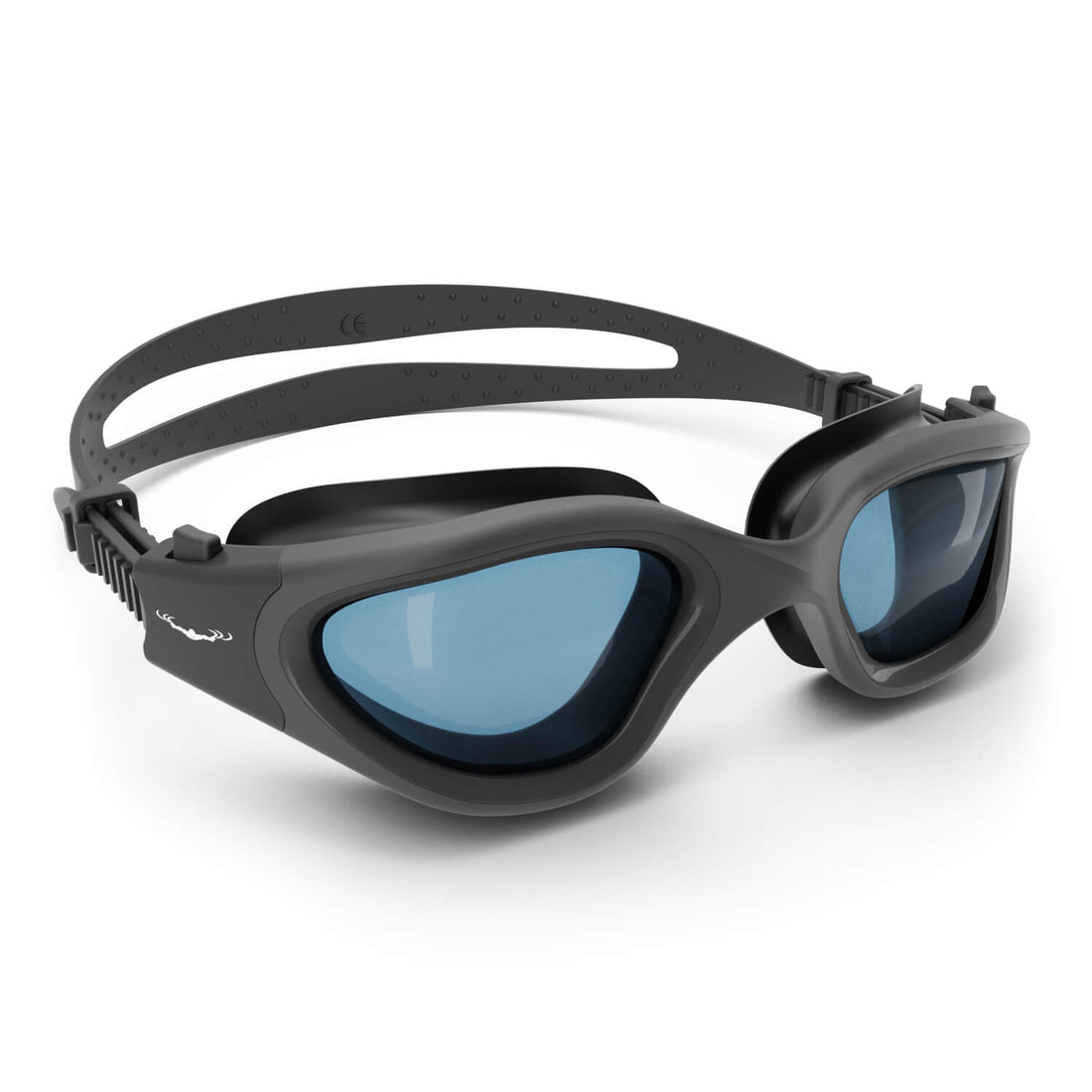
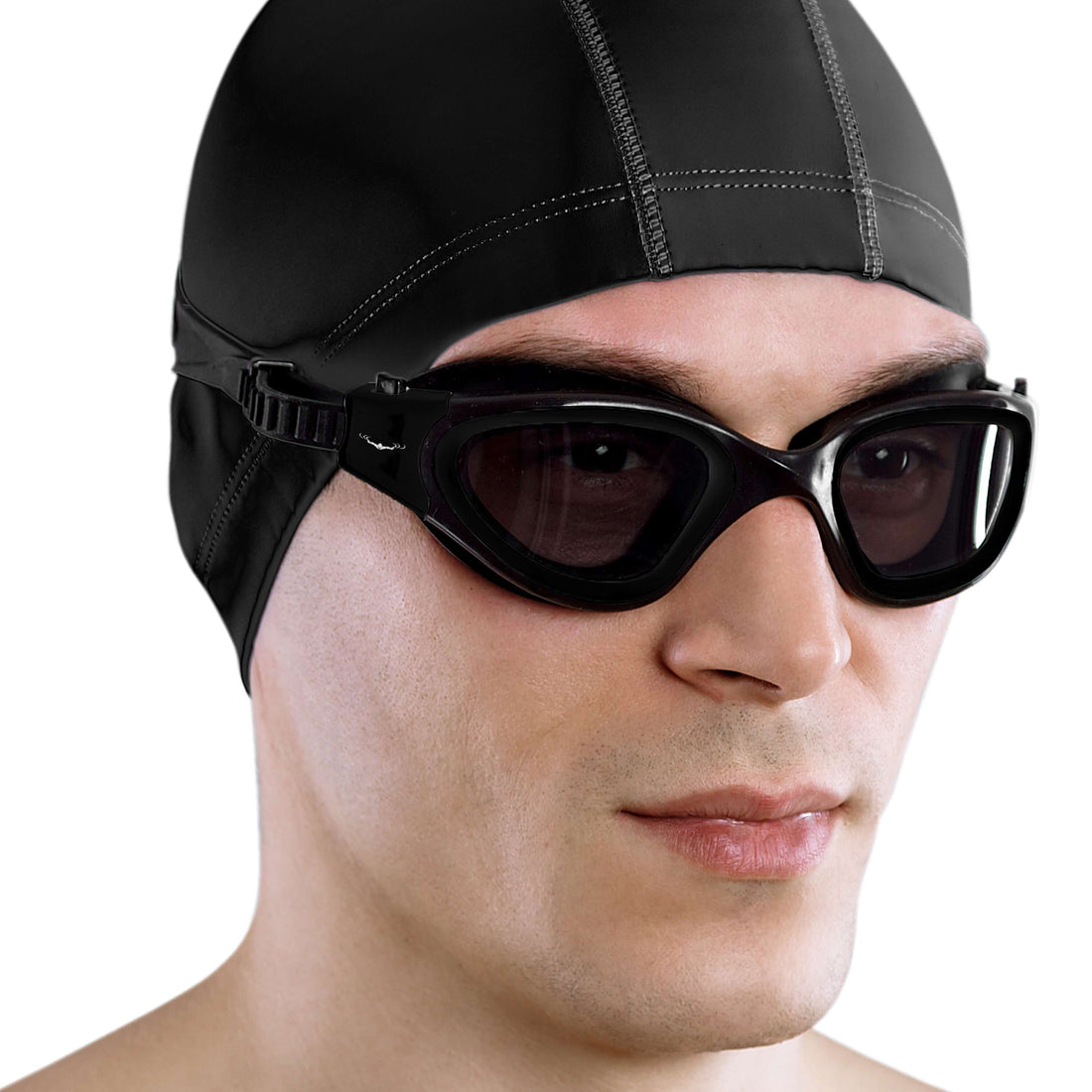
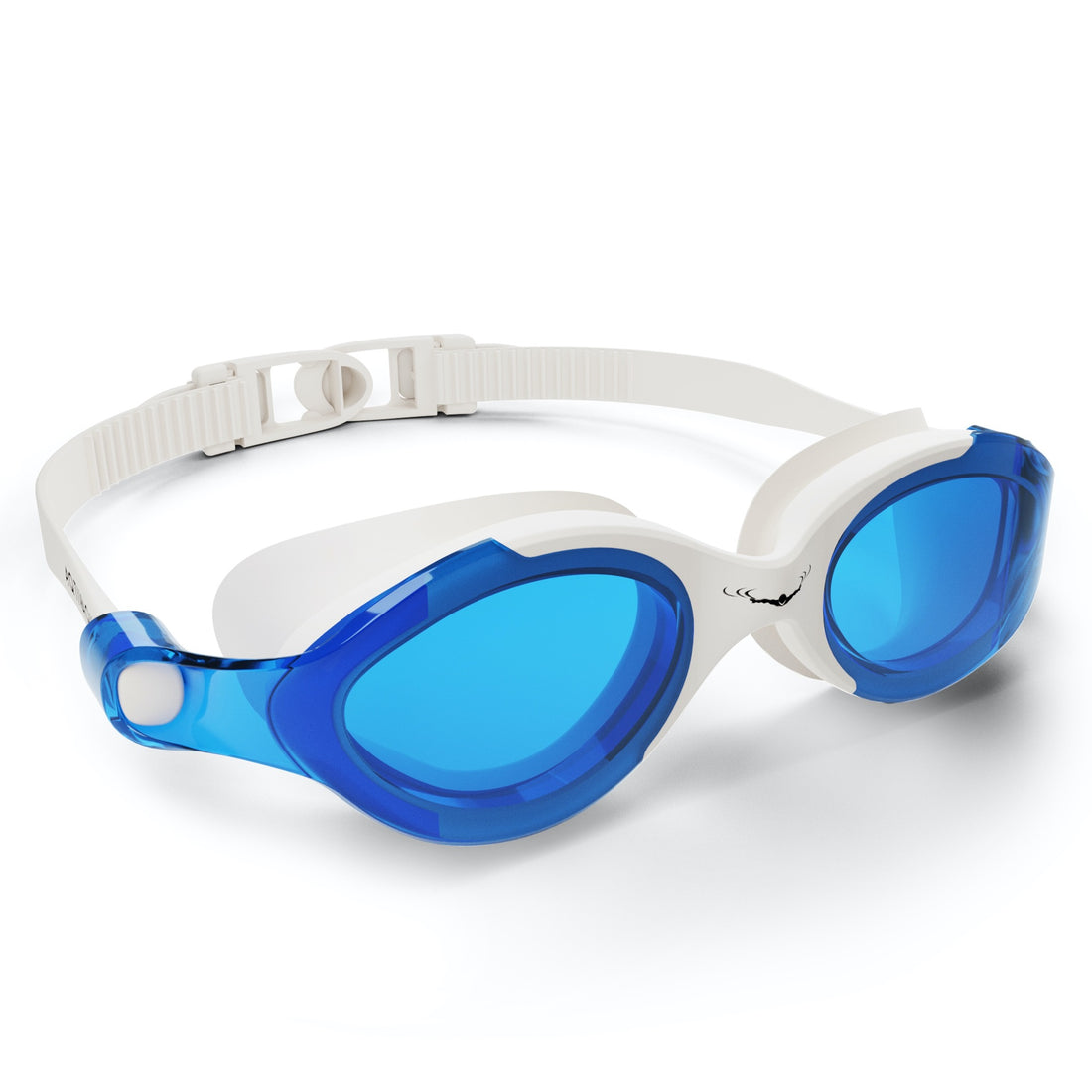
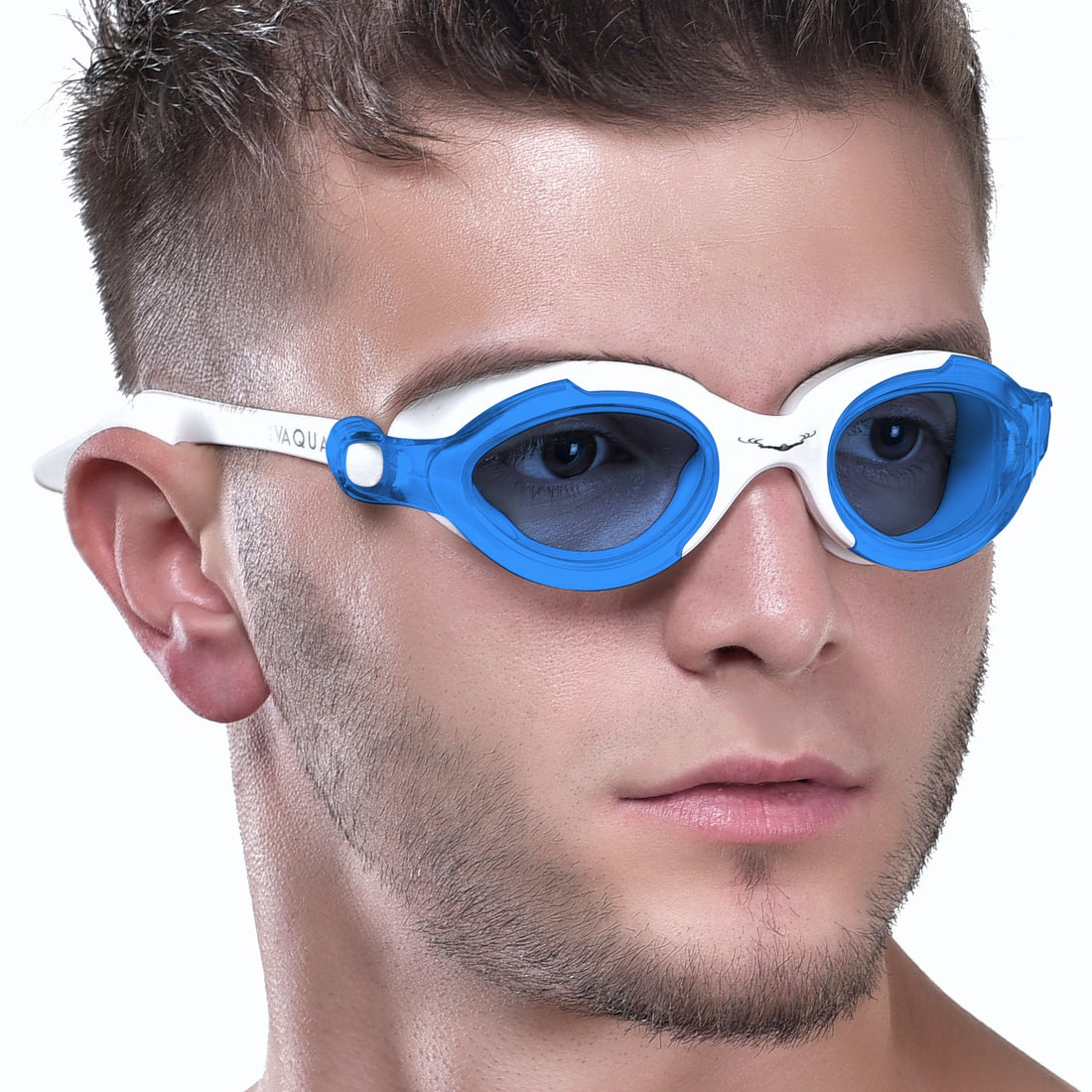
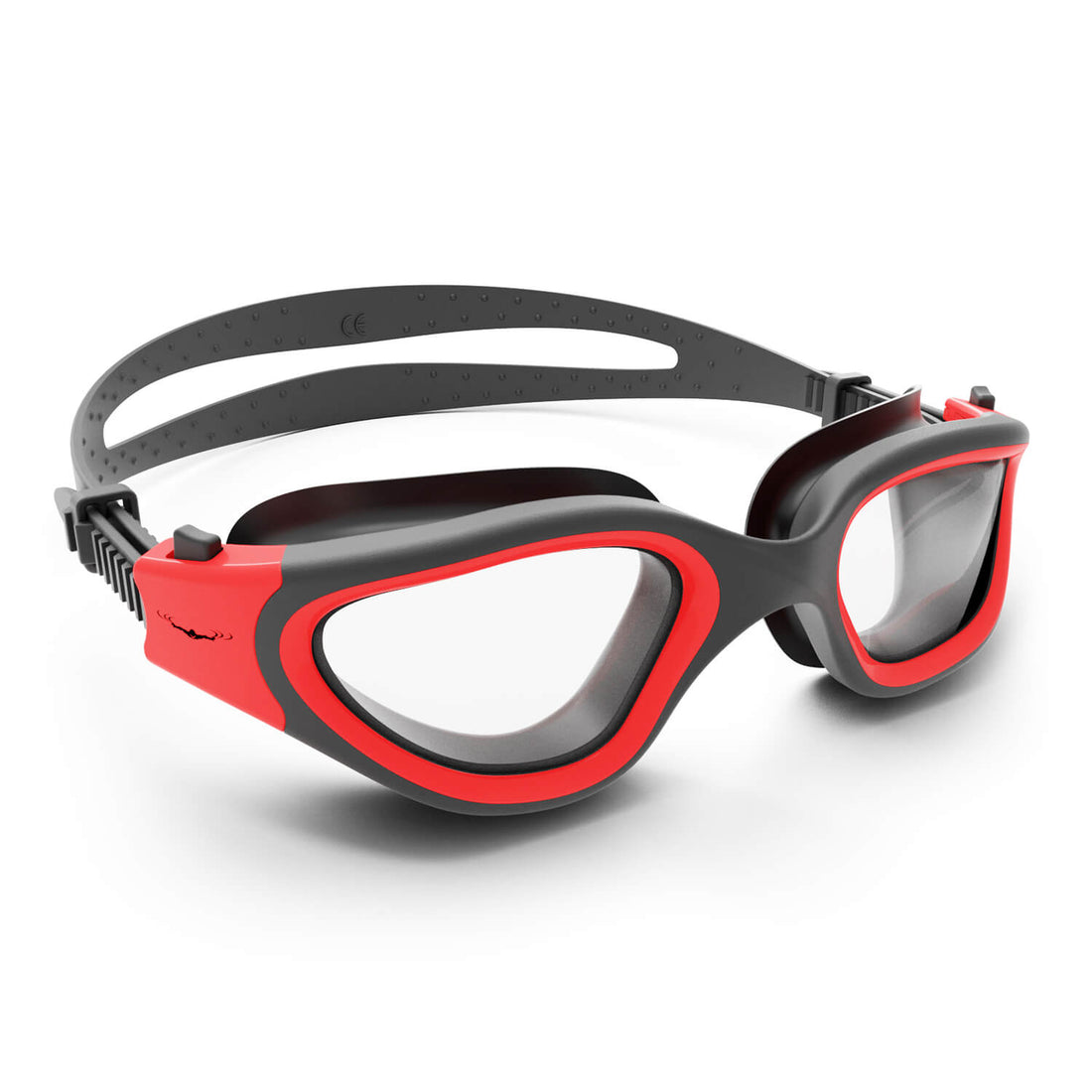
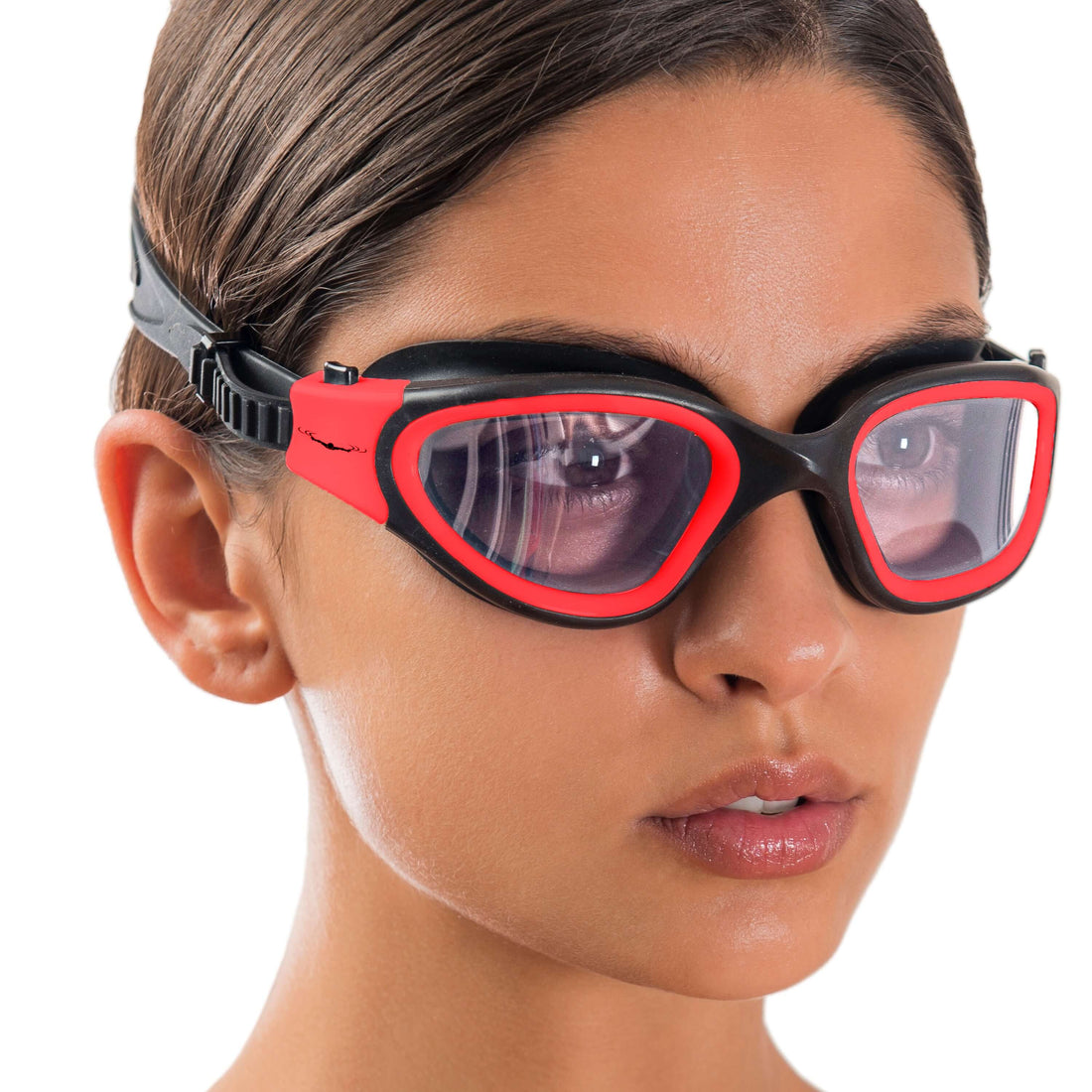
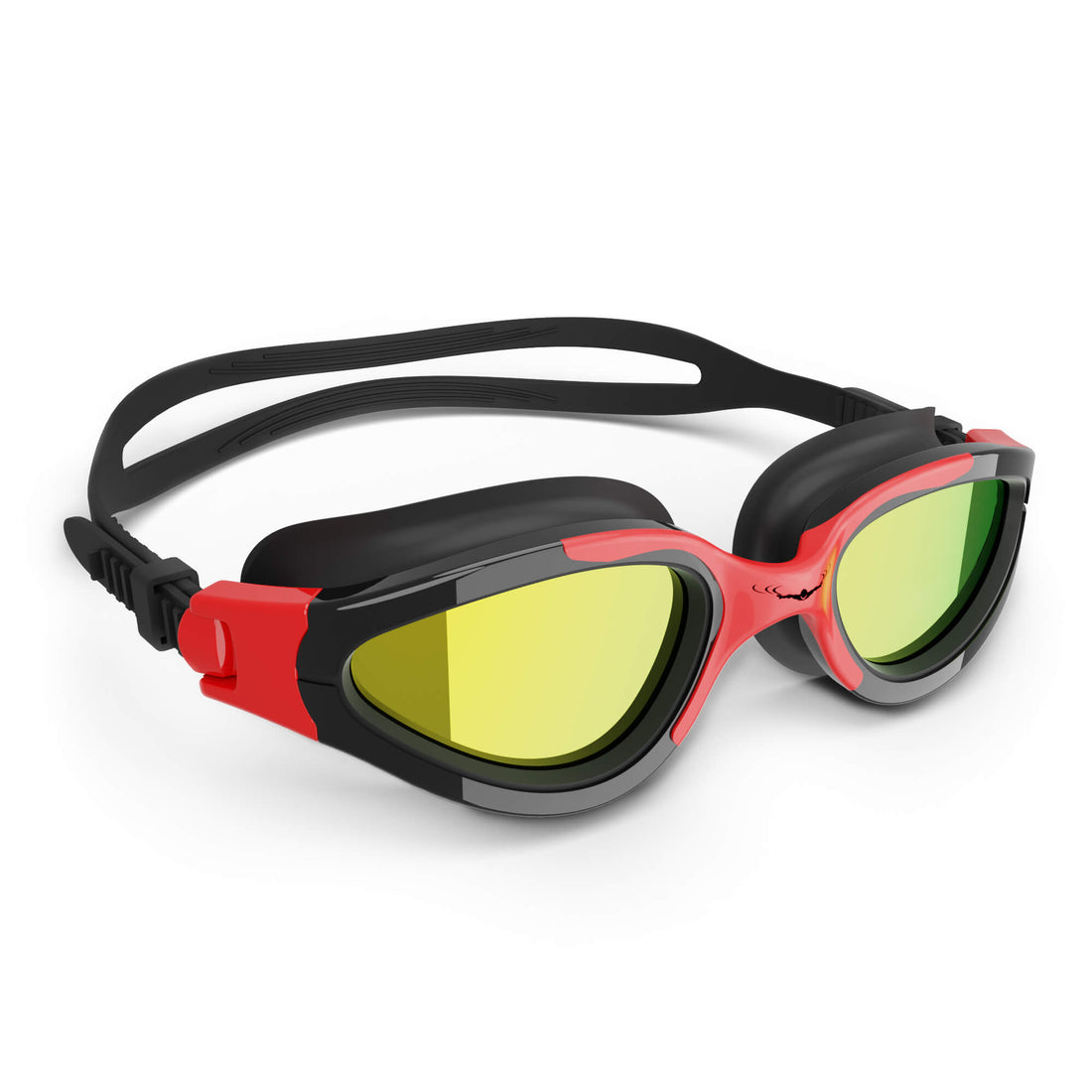
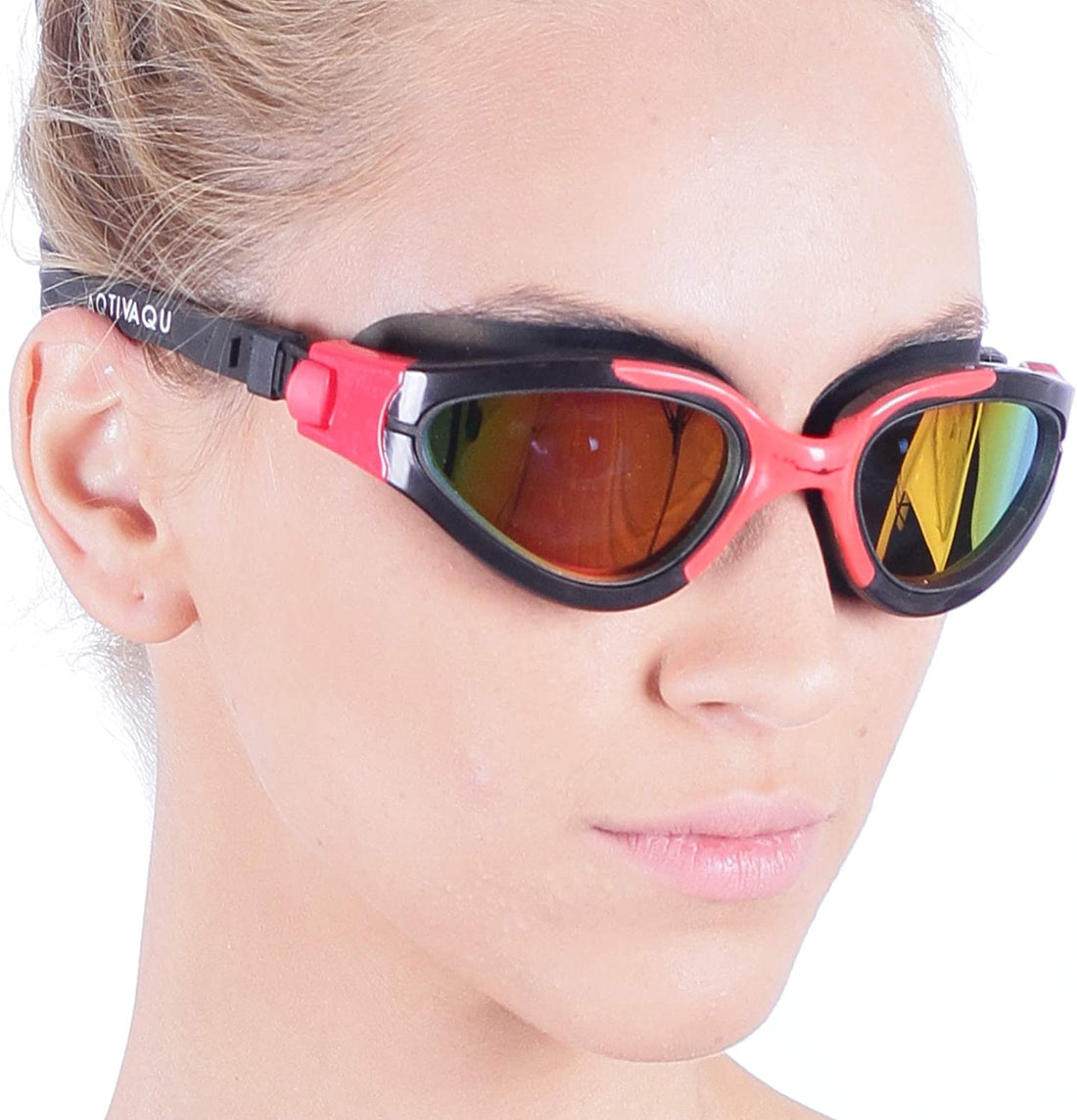
In addition to technique, the right swimming gear can enhance your performance. For instance, goggles are essential for maintaining clear vision in the water, allowing you to focus on your stroke rather than visibility issues. One product worth considering is the DX Wide View Swim Goggles. Their 180° polycarbonate lenses provide a true-color viewing experience, which is vital for observing your surroundings as you swim.
Key Features to Look for in Swim Goggles
- Visibility: Look for clear, untinted lenses that won't distort colors.
- Anti-Fog Technology: Ensure your goggles have advanced anti-fog capabilities.
- Fit and Comfort: Choose goggles that offer a leak-free design with soft double-seals to prevent discomfort during long swim sessions.
- Durability: Opt for goggles made from impact-resistant materials to withstand frequent use.
The Importance of Understanding Stroke Variations
Understanding the variations of swim strokes allows swimmers to diversify their training regimens. Mastering different types of swimming strokes not only prevents boredom but also promotes overall fitness. For example, incorporating different strokes can enhance muscle development, improve cardiovascular fitness, and reduce the risk of overuse injuries.
Cross-Training Opportunities
Engaging in various swim strokes can support muscle balance and prevent strain. Every stroke uses different muscle groups, leading to a more well-rounded physique and minimizing potential injuries. When training, consider alternating strokes daily:
- Monday: Freestyle
- Tuesday: Backstroke
- Wednesday: Drill Day (focus on techniques)
- Thursday: Breaststroke
- Friday: Butterfly
Take Your Swimming to Greater Depths
The journey to mastering swimming stroke variations is ongoing and rewarding. As you delve deeper into learning the different types of swimming strokes, remember that practice, patience, and the right gear are vital. Whether you're training for a competition or enjoying a leisurely swim, enhancing your understanding of stroke techniques will inevitably elevate your performance.
By incorporating these methods into your routine and embracing the diversity of swimming styles, your confidence and ability in the water will flourish. So don’t hesitate – dive into the art of swimming and unlock your fullest potential today!
Frequently Asked Questions
1. What are the primary types of swimming strokes?
2. How can I improve my swimming stroke techniques?
3. What are some key characteristics of the freestyle stroke?
4. Why is understanding stroke variations important for swimmers?
5. What features should I look for in swim goggles?
Glossary
| Term | Meaning |
|---|---|
| Freestyle | The fastest swimming stroke, also known as front crawl, using alternate arm movements. |
| Backstroke | A stroke swum on the back, featuring a windmill arm action and natural breathing. |
| Breaststroke | A slow stroke characterized by simultaneous arm movements and a frog kick. |
| Butterfly | The most challenging stroke, requiring synchronized arm movements and a dolphin kick. |
| Flutter Kick | A basic kick used in freestyle and backstroke, involving straight legs and pointed feet. |
| Frog Kick | A kick used in breaststroke, where legs are drawn in and pushed out simultaneously. |
| Dolphin Kick | A kick used in butterfly, where both legs move together in a rhythmic motion. |
| Catch-Up Drill | A drill for freestyle that improves arm timing by ensuring one arm waits for the other to finish. |
| Anti-Fog Technology | A feature in swim goggles that prevents fogging, ensuring clear vision underwater. |
| Cross-Training | Engaging in various swim strokes to promote muscle balance and prevent injuries. |
Linked Product

DX Wide View Swim Goggles + SHOCK Protective Case
The DX Wide View Swim Goggles feature clear, untinted 180° polycarbonate lenses that provide true-color visibility for optimal focus during swimming, especially in indoor and low-light conditions. With advanced anti-fog technology and a secure fit from flexible double-seals, these goggles ensure comfort and clarity while you swim. The included SHOCK protective case offers durable storage, making it easy to keep your goggles safe and ready for your next swim session.
View Product