

Overview
Swimming offers significant mental health benefits, including reduced anxiety and depression, improved mood, and enhanced mindfulness. The physical advantages, such as better cardiovascular health and self-esteem, further contribute to emotional well-being. Regular swimming fosters community, personal growth, and self-expression, while also providing stress relief. To maximize these benefits, incorporate mindfulness techniques and make swimming a consistent part of your routine.
Table of Contents
- The Connection Between Swimming and Mental Health
- The Science of Swimming and Mental Stability
- The Physical Benefits That Boost Mental Health
- Emotional Benefits of Swimming
- Enhanced Mood Through Regular Engagement
- Stress Relief from Water Therapy
- Promoting Mindfulness and Focus
- Combatting Mental Fatigue
- Building a Community through Swimming
- Supportive Environments for Emotional Growth
- Swimming as a Form of Self-Expression
- Personal Growth through Swimming
- Taking the Plunge: How to Get Started
- Incorporating Mindfulness Techniques While Swimming
- Focus on Breathing
- Visualize Your Performance
- Embrace Nature
- Energizing Your Mind with Water Activities
- Safety First
- Making a Splash in Your Daily Routine
- Beyond the Pool: Continuing Mental Health Benefits
Key Takeaways
- Swimming reduces symptoms of anxiety and depression by promoting mindfulness and lowering stress hormones.
- Regular swimming enhances physical health, which can lead to improved self-esteem and cognitive function.
- Engaging in swimming regularly boosts mood and fosters a sense of accomplishment.
- Swimming promotes mindfulness by requiring focus on strokes and breathing, helping to clear the mind.
- Building a community through swimming can alleviate feelings of isolation and enhance emotional well-being.
- Swimming serves as a form of self-expression, allowing individuals to unlock their emotions through movement.
- Establishing a regular swimming routine can significantly improve mental clarity and overall happiness.
In today's fast-paced world, mental health has garnered significant attention, and various activities have been examined for their therapeutic benefits. One such activity that has proven to be a powerful remedy is swimming. Beyond the physical benefits, swimming has a profound impact on mental well-being. Let's dive deeper into how this aquatic activity can enhance our mental health.
The Connection Between Swimming and Mental Health
Swimming is not just a sport; it's a way of life that fosters mental clarity, emotional stability, and overall well-being. This unique connection between swimming and mental health stems from both the physical and psychological components of the sport. As we immerse ourselves in water, we experience a rejuvenating sense of calmness that can significantly alter our mood and perspective.
The Science of Swimming and Mental Stability
Several studies have illustrated that swimming can reduce symptoms of anxiety and depression. The rhythmic nature of swimming encourages mindfulness—a meditative state where thoughts are focused, and distractions are minimized. When you immerse yourself in water, the soothing environment helps to lower stress hormones while increasing endorphin levels, leading to a natural high.
The Physical Benefits That Boost Mental Health
Before we explore more in-depth psychological benefits, let’s not forget the physical advantages of swimming. Regular swimming sessions can enhance cardiovascular health, improve muscle strength, and boost overall fitness. These physical benefits can lead to:
- Improved self-esteem
- Better body image
- Enhanced cognitive function
When people feel good about their physical appearance and health, their mental state often experiences a positive shift as well.
Emotional Benefits of Swimming
Swimming is known to evoke a sense of freedom and relaxation. The feeling of being buoyant in water can create a unique emotional release, which is crucial in reducing anxiety. Here are several emotional benefits associated with swimming:
Enhanced Mood Through Regular Engagement
Engaging in swimming on a regular basis has been shown to enhance mood significantly. With the right swim caps to help streamline your performance, you can enjoy the water without distractions and truly immerse yourself in the experience. Each swim contributes to a sense of accomplishment, helping to foster positive emotions.
Stress Relief from Water Therapy
Water has therapeutic properties. The sound of moving water, splashes, and the gentle embrace of waves combine to create a soothing effect on the mind. Swimming provides an escape from daily stressors, making it an ideal choice for individuals looking to manage stress effectively.
Promoting Mindfulness and Focus
One of the most powerful benefits of swimming is enhancing mindfulness. This is particularly significant in today’s digital age, where distractions abound. Swimming necessitates concentration on your strokes, breathing, and environment, promoting a state of mindfulness. In this focused state, you can also reflect on your thoughts without being overwhelmed.
Combatting Mental Fatigue
In our increasingly connected world, mental fatigue is common. Swimming offers the perfect antidote. The meditative aspect not only provides a mental reset but also fosters creativity and problem-solving skills. It's not uncommon for individuals to report breakthroughs in thought processes after a long swim.
Building a Community through Swimming
Another vital aspect of swimming that enhances mental health is the sense of community it fosters. Whether it’s joining a swim club, attending swim classes, or simply enjoying a day at the pool with friends, swimming can lead to social interactions that uplift mental well-being.
Supportive Environments for Emotional Growth
Swimming offers numerous opportunities for creating connections. The shared experience of training together or participating in swim competitions can help build lasting friendships. Establishing these social connections is crucial for easing feelings of isolation and loneliness.
Swimming as a Form of Self-Expression
For many, swimming is not just a recurring routine—it’s a form of self-expression. The respect for water and the artistic way individuals can maneuver through it can be liberating. Whether through freestyle or butterfly, many swimmers unlock their emotions through fluid movements in the water.
Personal Growth through Swimming
Setting swimming goals, whether it's mastering a new stroke or improving technique, can enhance self-discipline and confidence. Achieving these milestones further cultivates a positive mindset that radiates into other aspects of life.
Taking the Plunge: How to Get Started
If you're new to swimming or looking to rekindle your passion for it, here are a few tips on how to make the most out of this invigorating activity:
- Start Slowly: Begin with shorter swim sessions to build stamina.
- Keep Your Gear Ready: Invest in quality swim caps and protective case for goggles for an uninterrupted swimming experience.
- Find a Routine: Commit to a regular swimming schedule that fits your lifestyle.
- Join a Group: Swimming with others can enhance motivation and provide social support.
- Listen to Your Body: Understanding your physical limits is key to enjoying swimming as a long-term activity.
Incorporating Mindfulness Techniques While Swimming
To enhance the mental health benefits of swimming, consider integrating mindfulness techniques into your swim sessions:
Focus on Breathing
Pay attention to your breathing pattern. Synchronizing your breath with each stroke can create a calming rhythm that enhances relaxation.
Visualize Your Performance
Before your swim, take a moment to visualize yourself successfully completing your workout. This mental exercise can boost confidence and prepare your mind for the physical challenges ahead.
Embrace Nature
If possible, swim in natural bodies of water like lakes or oceans. The connection with nature can amplify relaxation and tranquility.
Energizing Your Mind with Water Activities
Beyond standard swimming, consider incorporating other water-based activities to diversify your experience. Activities such as water aerobics, stand-up paddleboarding, or synchronized swimming can provide new challenges and invigorating experiences that further enhance mental well-being.
Safety First
While enjoying swimming, always prioritize safety. Ensure that you have appropriate swim gear, such as swim caps and a reliable protective case for goggles, to enhance your experience while safeguarding your health.
Making a Splash in Your Daily Routine
To realize the full benefits of swimming on mental health, it’s crucial to make it a consistent part of your routine. Even a short, regular swim can significantly impact your mood and mental clarity. Aim to incorporate swimming sessions weekly and observe how your mental state improves over time.
Beyond the Pool: Continuing Mental Health Benefits
As you establish swimming as a habit, you might notice other areas of your life flourishing. Enhanced mental health contributes to better relationships, improved work productivity, and an overall more fulfilled existence. The impact of swimming can spill over into various aspects of life, reinforcing the idea that nurturing our mental health is a vital part of personal growth.
In escaping the hustle and bustle, swimming creates a serene oasis that rejuvenates the mind and body. The next time you slip into the water, remember that every stroke propels you not just through water, but also towards improved mental health. Embrace the waves, nurture your well-being, and let swimming be your ally in navigating life's challenges.
Frequently Asked Questions
1. How does swimming benefit mental health?
2. What are the emotional benefits of swimming?
3. Can swimming improve mindfulness?
4. How can I get started with swimming for mental health?
5. What additional activities can enhance the benefits of swimming?
Glossary
| Term | Meaning |
|---|---|
| Mental Health | A person's emotional, psychological, and social well-being. |
| Swimming | An activity involving movement through water for exercise or recreation. |
| Mindfulness | A mental state achieved by focusing on the present moment. |
| Endorphins | Hormones that help relieve pain and induce feelings of pleasure. |
| Cardiovascular Health | The health of the heart and blood vessels, improved by physical activity. |
| Emotional Release | The process of expressing and letting go of emotions. |
| Community | A group of individuals who share common interests, enhancing social support. |
| Self-Expression | The process of conveying thoughts, feelings, or ideas through activities. |
| Personal Growth | Development of skills, self-discipline, and confidence over time. |
| Water Therapy | Using water for therapeutic benefits, promoting relaxation and stress relief. |
Linked Product

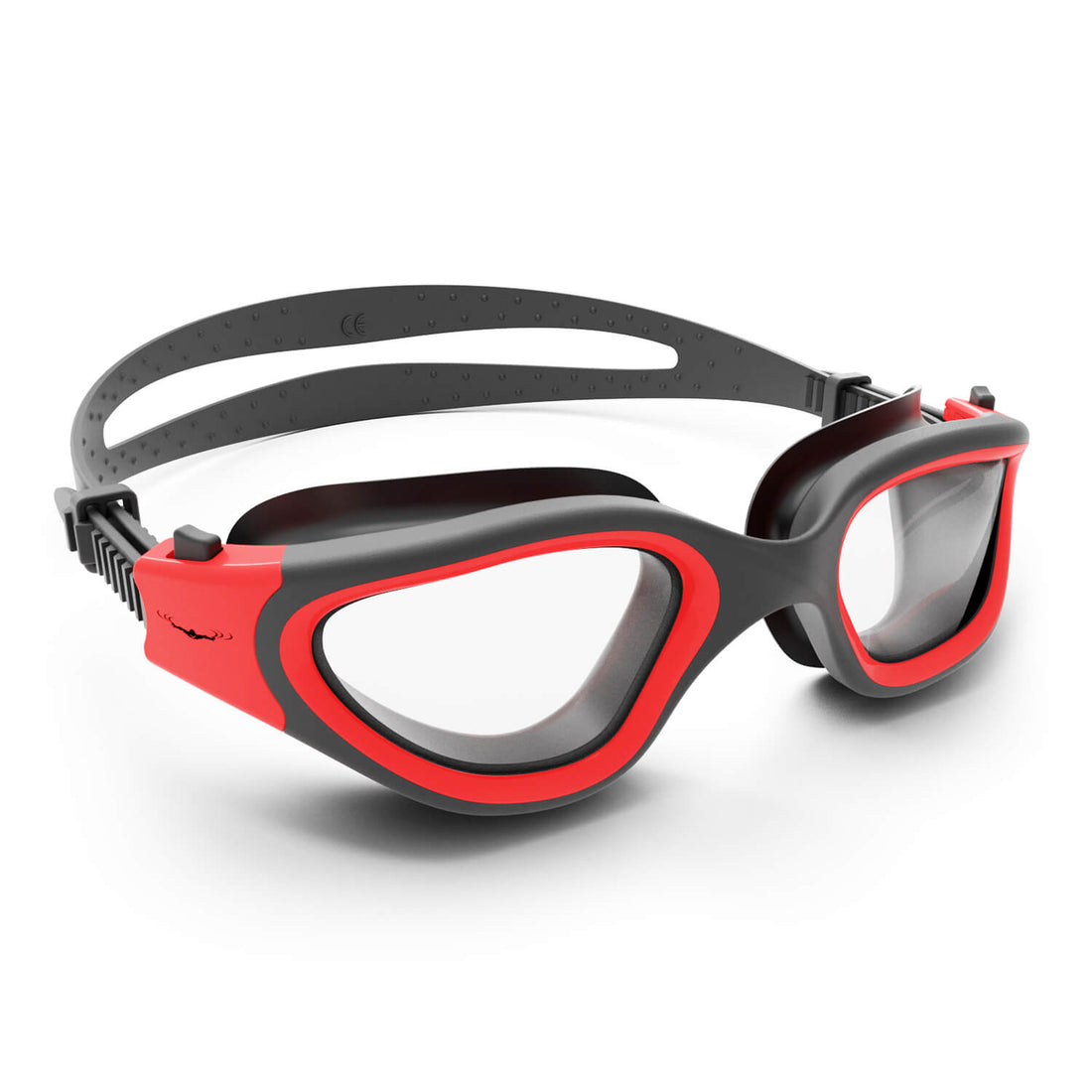
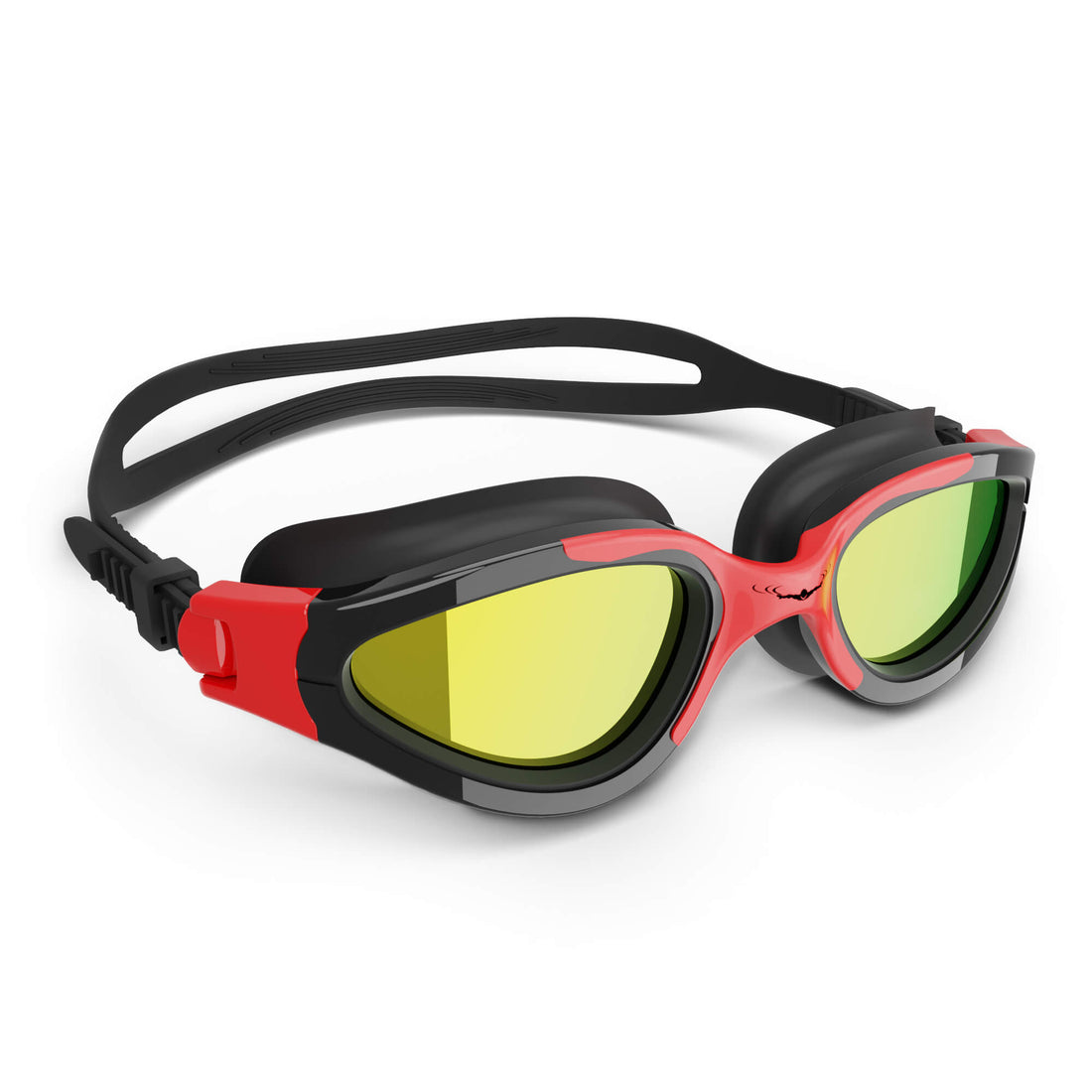
DX Wide View Swim Goggles + SHOCK Protective Case
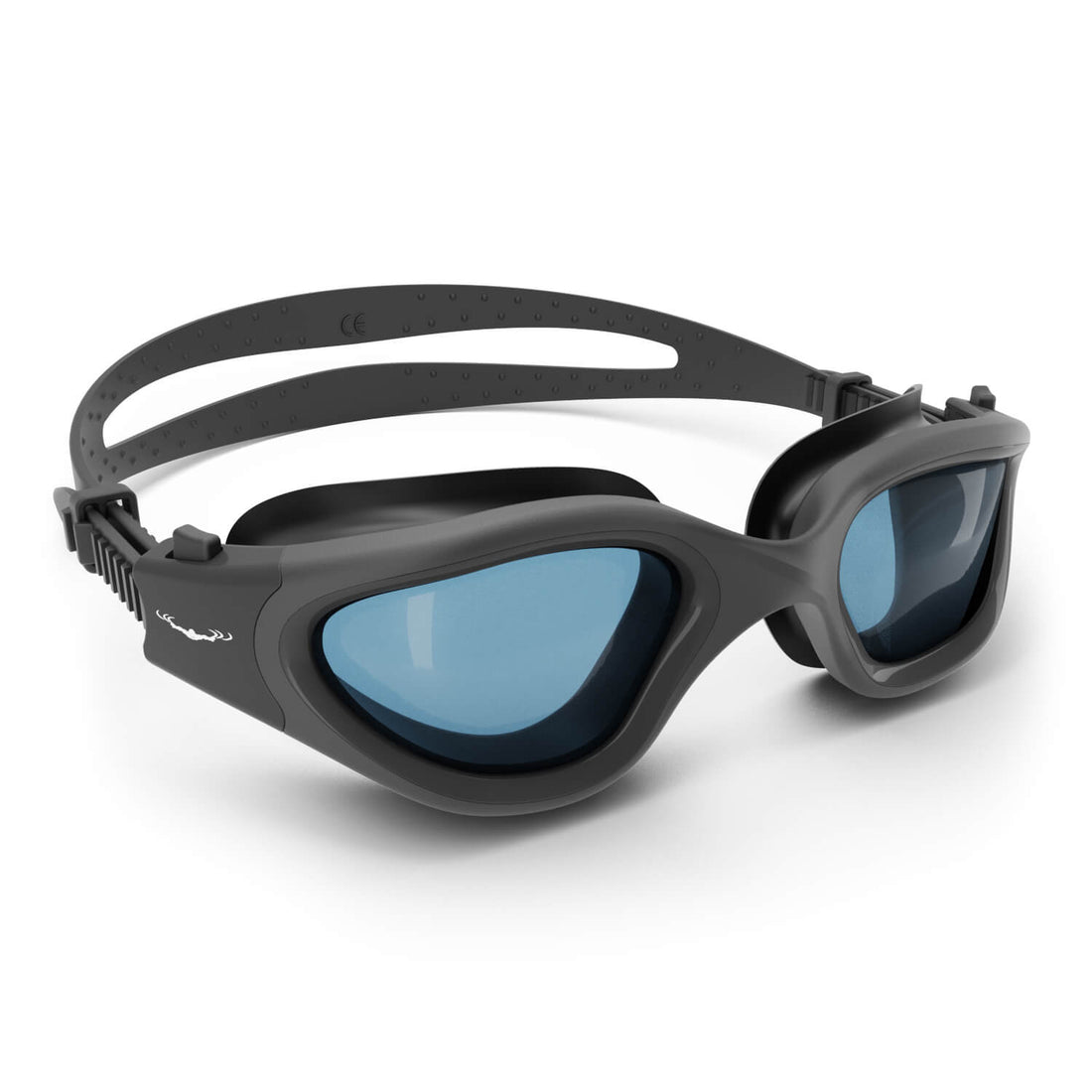
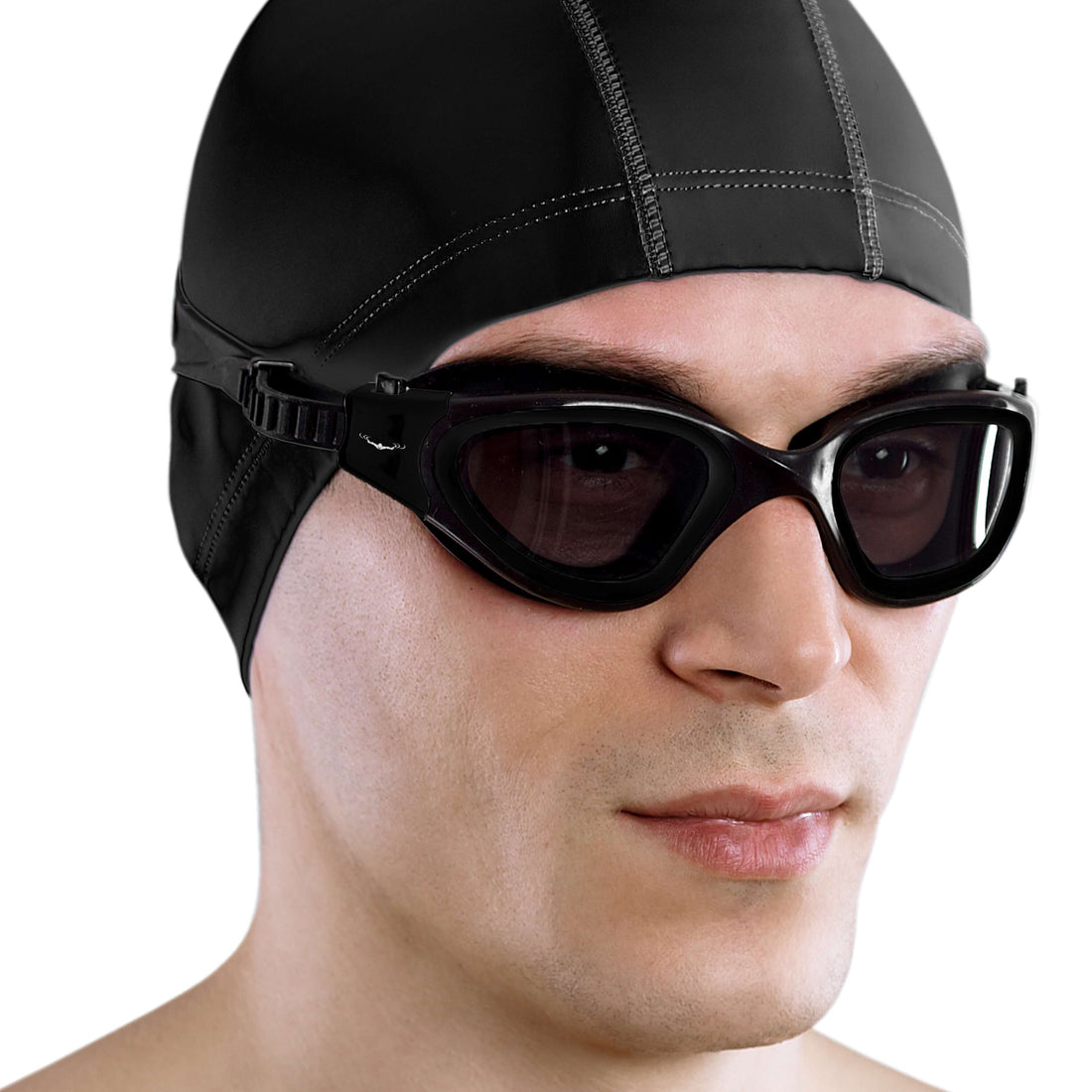
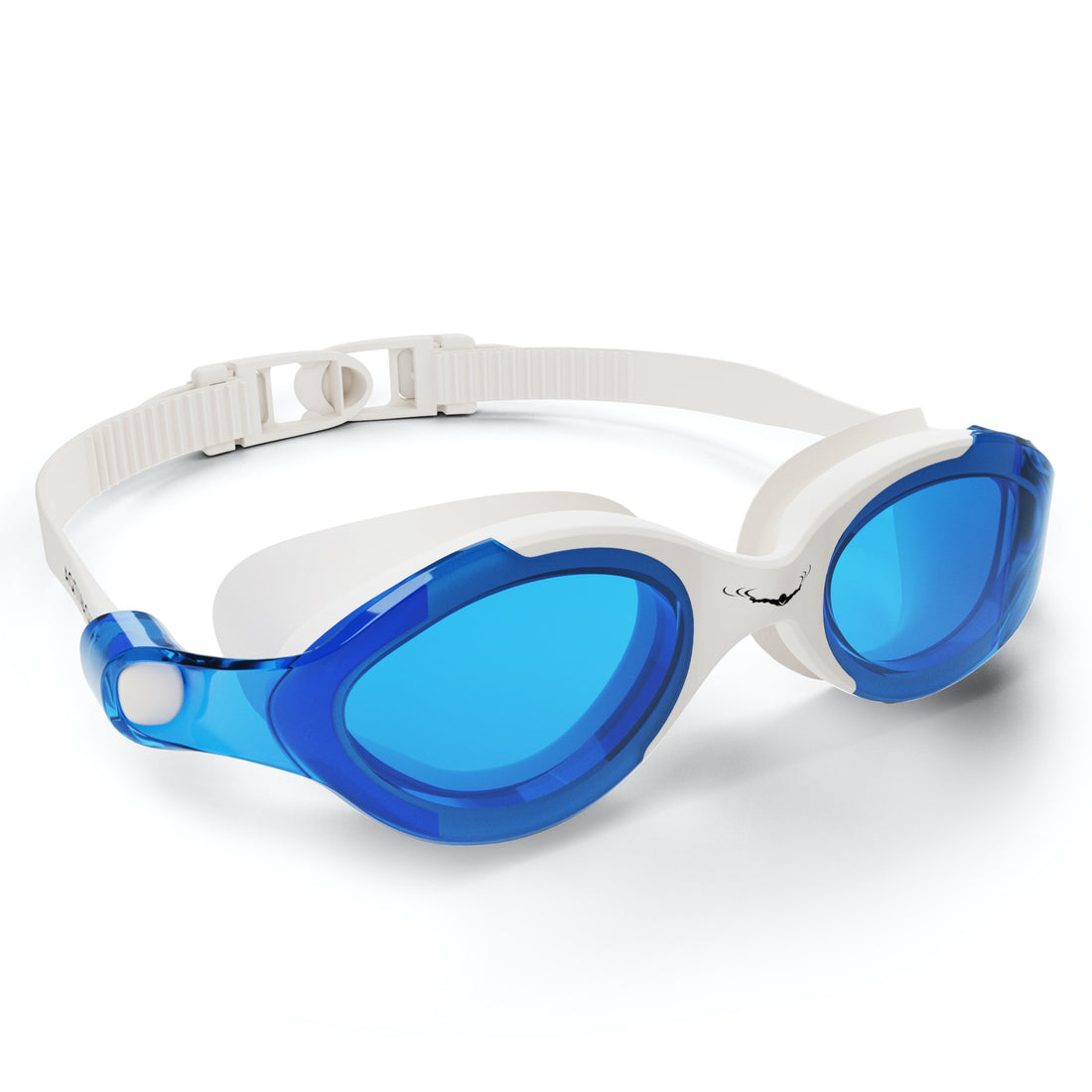
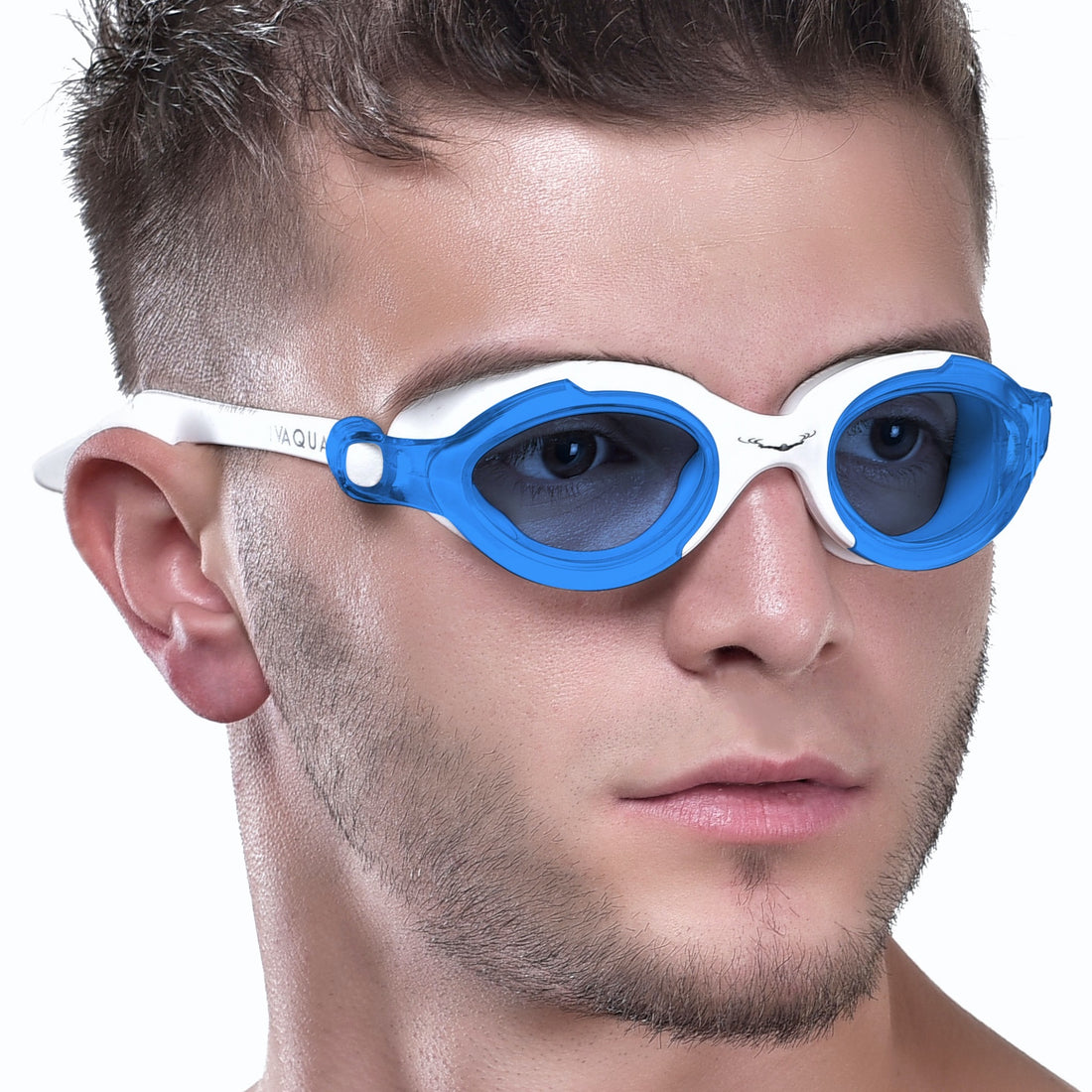
The DX Wide View Swim Goggles feature clear, untinted 180° polycarbonate lenses that provide true-color visibility, making them ideal for indoor pools and low-light conditions. With advanced anti-fog technology and a secure, comfortable fit, these goggles ensure clear vision and distraction-free swimming. The included SHOCK protective case offers convenient storage and quick drying, enhancing the longevity of your swim gear.
View Product