

Overview
This article delves into the environmental impacts of swimming pools, highlighting issues such as water consumption, chemical use, and energy consumption. Readers will learn about eco-friendly practices and alternatives that can help mitigate these effects, enabling them to enjoy their pools responsibly. By adopting sustainable approaches, individuals can balance their love for swimming with a commitment to environmental stewardship.
Table of Contents
- Water Consumption and Conservation
- Reducing Water Usage
- Chemical Use and Water Quality
- Eco-Friendly Alternatives to Chemical Pools
- Energy Consumption
- Steps to Cut Energy Use
- Space and Habitat Disruption
- Planning Environmentally Friendly Pools
- Wildlife Interaction
- Creating a Wildlife-Friendly Pool Environment
- Promoting Eco-Conscious Swimming
- Invest in Eco-Friendly Swim Gear
- Exploring Alternatives to Traditional Pools
- Natural Pools
- Swim Spas
- Portable Pools
- Incorporating Green Practices into Pool Management
- Rethinking Your Swimming Experience
Key Takeaways
- Water Conservation: A typical backyard pool can use 15,000 to 30,000 gallons of water initially, with significant losses due to evaporation and leaks.
- Eco-Friendly Alternatives: Consider saltwater pools or nature-based systems to reduce the use of harsh chemicals.
- Energy Efficiency: Invest in energy-efficient pumps and heaters, and utilize solar power to lower energy consumption.
- Wildlife Protection: Create a wildlife-friendly environment by adding shallow areas and using natural cleaning products.
- Sustainable Design: Work with landscape architects to design pools that minimize land disruption and incorporate native plants.
- Alternative Pool Options: Explore natural pools, swim spas, or portable pools as environmentally friendly alternatives to traditional pools.
- Ongoing Maintenance: Regular water testing and smart maintenance can enhance water quality and reduce chemical use.
Swimming pools have long been a beloved addition to backyards, offering a refreshing escape during hot summer days and a hub for family gatherings. However, the joy of diving into a cool pool comes at a price—an environmental impact that is often overlooked. In this article, we’ll explore various aspects of how swimming pools affect the environment, suggest eco-friendly practices, and highlight alternatives that can help reduce their footprint.
Water Consumption and Conservation
One of the most significant environmental impacts of swimming pools is their water consumption. According to the Environmental Protection Agency (EPA), a typical backyard pool can use thousands of gallons of water. For instance, the initial filling of a pool can take anywhere from 15,000 to 30,000 gallons, and then a significant amount of water is lost each year due to evaporation, splashing, or leaks.
Reducing Water Usage
- Install a Pool Cover: A pool cover can significantly reduce evaporation rates, saving hundreds of gallons of water each week.
- Water Conservation Practices: Use a well-maintained filtration system to minimize water loss, and regularly check for leaks that could contribute to wasted water.
- Consider Rainwater Harvesting: Collecting rainwater can provide a sustainable supply for pool maintenance.
Chemical Use and Water Quality
The use of chemicals in swimming pools is another concern for the environment. Traditional pools often require chlorine and other harsh chemicals to maintain clean and safe water. However, these chemicals can harm local ecosystems if they drain into the ground or nearby water bodies.
Eco-Friendly Alternatives to Chemical Pools
Here are some alternatives to consider when maintaining pool hygiene:
- Saltwater Pools: These pools use a salt chlorine generator to convert salt into chlorine, reducing the need for additional harsh chemicals.
- Nature-Based Systems: Pools that incorporate living plants can naturally filter the water, creating a more eco-friendly option.
- Regular Maintenance: Regular cleaning and proper water balance can minimize the need for excessive chemical treatments.
Energy Consumption
Energy consumption is yet another crucial factor in the environmental impact of pools. From heating to filtration, swimming pools require substantial energy, which often comes from non-renewable resources.
Steps to Cut Energy Use
Consider the following strategies to lower energy consumption:
- Invest in Energy-Efficient Equipment: Energy-efficient pumps and heaters can significantly reduce energy consumption.
- Utilize Solar Power: Solar pool heaters use renewable energy to maintain comfortable water temperatures.
- Optimize Pool Use: Reducing the time your pool is heated or using it during peak sun hours can cut energy costs.
Space and Habitat Disruption
Building a swimming pool often means altering the natural landscape, which can disrupt local habitats and biodiversity. It is crucial to consider the impact that new constructions have on local wildlife.
Planning Environmentally Friendly Pools
When planning your pool, consider:
- Sustainable Design: Work with landscape architects who specialize in eco-friendly designs that incorporate native plants and minimize land disruption.
- Utilizing Existing Structures: If possible, place your pool near existing structures to reduce the overall disturbance to your yard.
- Natural Landscaping: Incorporate native plants to enhance biodiversity and support local wildlife.
Wildlife Interaction
While a swimming pool can be a great recreational space for humans, it can pose dangers to local wildlife. Birds, for example, are often attracted to the water but face risks such as drowning or exposure to chemicals.
Creating a Wildlife-Friendly Pool Environment
To make your pool more wildlife-friendly, consider:
- Adding a Shallow Area: A shallow area can serve as a safe zone for birds and other small animals to land without the risk of drowning.
- Using Natural Cleaning Products: Swap out harmful pool chemicals for more eco-friendly alternatives to protect aquatic life.
- Consider a Barrier: Installing a fence or other barrier can help keep wildlife away from the pool while still allowing for safe interaction.
Promoting Eco-Conscious Swimming
As swimming pools can have an environmental impact, promoting environmentally friendly swimming methods can mitigate those effects. One simple way to promote eco-conscious swimming is by utilizing proper gear.
Invest in Eco-Friendly Swim Gear
Using environmentally friendly swim gear can enhance your swimming experience while reducing impact. For example, opting for a swim headband for ear protection not only protects your ears but also minimizes the need for chemical treatments in the water. These headbands are wonderful for holding earplugs securely in place, ensuring a clean swimming environment, and blocking water from entering the ear canal. Moreover, they aid in proper temperature control while you swim.
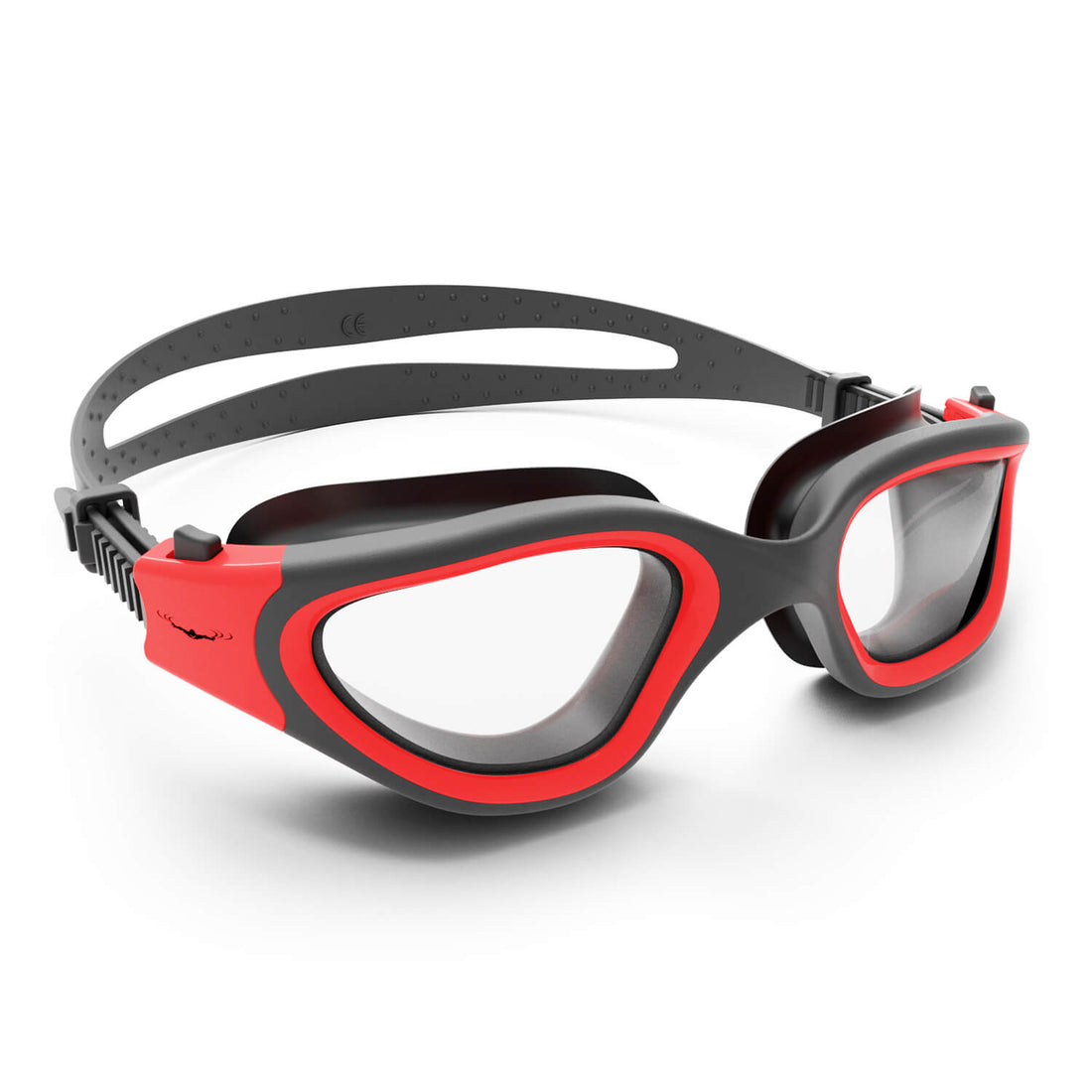
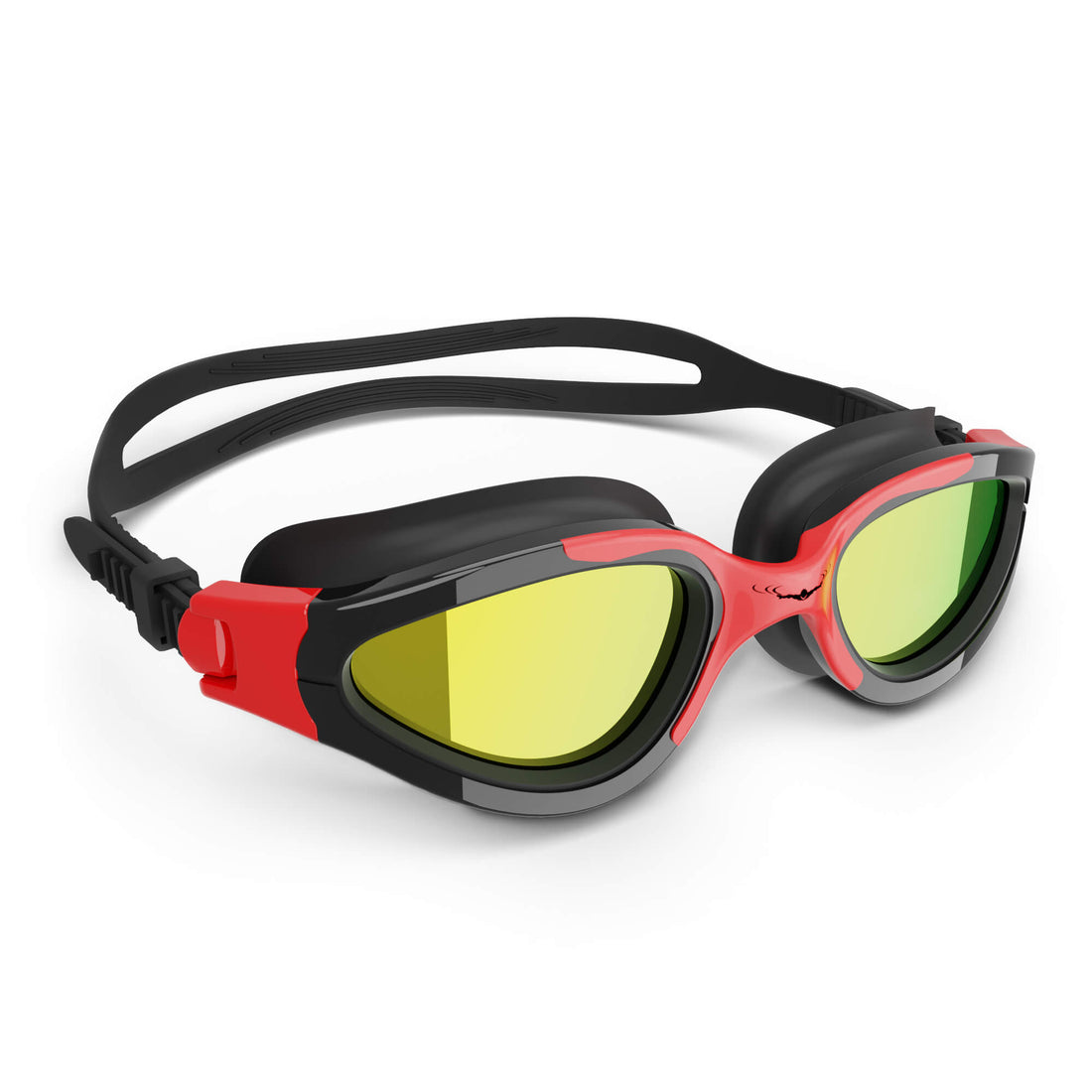
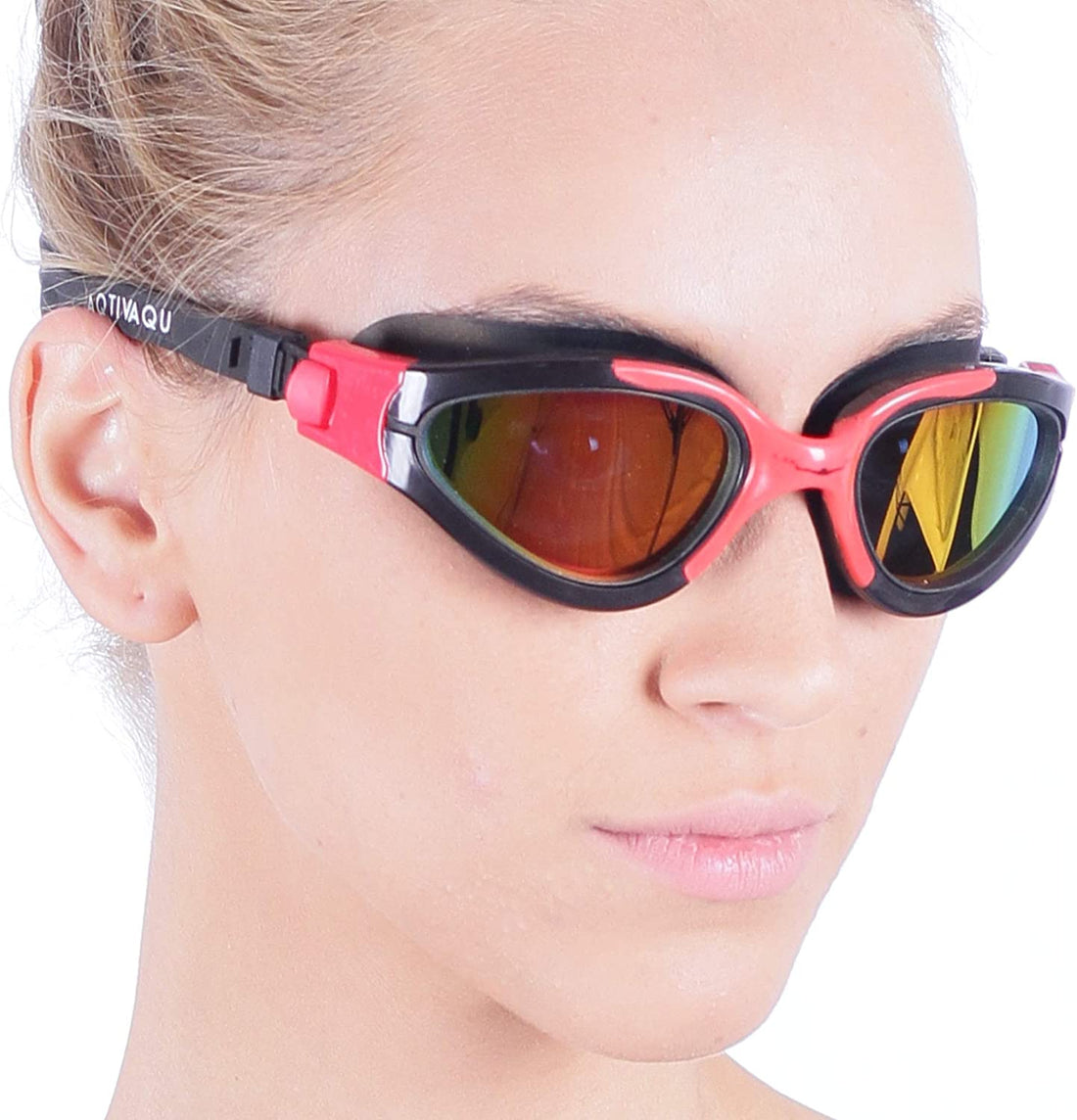
Similarly, wearing swim goggles designed for durability can extend their lifespan, decreasing the need for frequent replacements. Opting for products made from recycled materials can also reduce your ecological footprint.
Exploring Alternatives to Traditional Pools
For those concerned with the environmental impact of traditional pools, consider alternative options that provide similar enjoyment without the same ecological footprint.
Natural Pools
Natural pools mimic natural bodies of water, using plants and biological processes to filter and cleanse the water without harsh chemicals. These pools are not only eco-friendly but also serve as beautiful landscaping features.
Swim Spas
Swim spas combine the benefits of a swimming pool and a hot tub, providing a smaller footprint and requiring less energy and water than traditional pools.
Portable Pools
Portable or inflatable pools require significantly less water and can be easily set up and dismantled, reducing long-term resource commitments.
Incorporating Green Practices into Pool Management
Ongoing pool management practices can drastically reduce environmental impact while enhancing your pool experience. Here are some green practices to consider:
- Regular Water Testing: Keep an eye on the pool's chemistry to avoid over-treating with chemicals.
- Smart Maintenance: Clean filters and pumps regularly to improve efficiency and water quality.
- Education: Share information with family and friends about eco-friendly swimming habits and strategies to ensure a cleaner environment.
Rethinking Your Swimming Experience
The environmental impact of swimming pools does not have to be a deterrent to enjoying them. By adopting thoughtful practices and considering alternatives, you can strike a balance between leisure and sustainability. The importance of being aware of our choices cannot be understated, as we work toward creating a future where enjoyment and environmental responsibility coexist harmoniously.
Remember, whether you're lounging by the poolside, splashing around with family, or refining your swimming techniques using a quality swim headband for ear protection, every action counts. Being mindful of our environmental footprint ensures that future generations can also enjoy the pleasures of swimming—while embracing Mother Nature in all her glory.
Frequently Asked Questions
1. What are the environmental impacts of swimming pools?
2. How can I reduce water usage in my swimming pool?
3. What are eco-friendly alternatives to traditional pool chemicals?
4. What steps can I take to lower the energy consumption of my swimming pool?
5. What are some alternative options to traditional swimming pools?
Glossary
| Term | Meaning |
|---|---|
| Water Consumption | The total amount of water used by swimming pools, including filling and maintenance. |
| Pool Cover | A protective layer placed over a pool to reduce evaporation and conserve water. |
| Saltwater Pool | A pool that uses salt to generate chlorine, minimizing chemical use. |
| Energy-Efficient Equipment | Devices designed to use less energy for heating and filtration. |
| Natural Pools | Pools that use plants and biological processes for water filtration, avoiding chemicals. |
| Wildlife-Friendly Pool | A pool designed to minimize risks to local animals, such as adding shallow areas. |
| Eco-Friendly Swim Gear | Swimming products made from sustainable materials to reduce environmental impact. |
| Rainwater Harvesting | The collection of rainwater for use in pool maintenance, promoting sustainability. |
| Smart Maintenance | Regular upkeep practices that enhance efficiency and reduce resource use. |
| Portable Pools | Inflatable pools that are easy to set up and dismantle, requiring less water. |
Linked Product

Neoprene Swimming Headband - Swim Ear Band Protection Cover - Hair Guard - Keep Ear Plugs IN
The Neoprene Swimming Headband provides effective ear protection by securely holding earplugs in place, making it suitable for individuals with ear tubes or perforated eardrums. Its quick-dry material keeps ears warm in cold water and helps keep hair out of the face. Available in bright colors for improved visibility, this headband is designed for all ages, ensuring a comfortable fit for everyone.
View Product