

Overview
Nutrition is crucial for swimmers, impacting energy, recovery, and overall performance. Key points include the importance of macronutrients (carbohydrates for energy, proteins for muscle repair, and fats for sustained energy), staying hydrated, and having effective pre- and post-workout meals. Essential vitamins and minerals support health, while supplements can provide extra support if needed. A personalized nutrition plan, combined with the right swim gear, enhances performance. A holistic approach, including mental training and recovery, is vital for success in swimming.
Frequently Asked Questions
1. Why is nutrition important for swimmers?
2. What macronutrients do swimmers need?
3. How can swimmers stay hydrated?
4. What should swimmers eat before a workout?
5. Are supplements necessary for swimmers?
Nutrition plays an essential role in enhancing swimming performance, influencing every aspect from energy levels to recovery times. Competitive swimmers often focus on their training regimens, but an equally robust nutrition plan is crucial for achieving peak performance in the water. In this comprehensive guide, we'll explore the importance of proper nutrition and how it can significantly improve your swimming abilities.
Understanding the Nutritional Needs of Swimmers
Swimmers are unique athletes. They require a blend of endurance, strength, and agility, which calls for a balanced diet rich in various essential nutrients. Proper nutrition not only fuels your workouts but also aids in recovery, reduces fatigue, and enhances overall performance.
Macronutrients: The Building Blocks
The three primary macronutrients—carbohydrates, proteins, and fats—each serve distinct purposes in a swimmer’s diet:
- Carbohydrates: Often considered the most critical source of energy, carbohydrates are vital for endurance. Swimmers should consume complex carbohydrates like whole grains, fruits, and vegetables to maintain glycogen stores, ensuring they have ample energy during training and competitions.
- Proteins: Building and repairing muscles is essential for swimmers, and adequate protein intake is paramount. Sources like lean meats, dairy, legumes, and plant-based proteins can help swimmers recover faster from workouts and build muscle strength.
- Fats: Healthy fats provide a concentrated source of energy. Incorporating sources like avocados, nuts, seeds, and olive oil can promote overall health and sustain energy levels during long practice sessions.
The Importance of Hydration
Swimming can sometimes mask dehydration, as participants often feel cooler in the water. However, swimmers must prioritize hydration to maintain optimal performance. Dehydration can lead to muscle cramps, fatigue, and decreased coordination.
Hydration Tips for Swimmers
Here are a few strategies swimmers can adopt to stay hydrated:
- Drink Before, During, and After Training: Establish a hydration routine to ensure you're consistently replenishing lost fluids.
- Monitor Your Urine Color: A good indicator of hydration is urine color. Aim for a light yellow hue.
- Use Electrolytes: Especially during intense training sessions, consider incorporating electrolyte-rich beverages to replenish essential salts lost through sweat.
Pre-Workout Nutrition: Setting the Stage for Success
A proper pre-workout meal can dramatically affect your performance in the pool. Focus on easily digestible foods that provide a quick energy boost without causing discomfort while swimming.
What to Eat Before Swimming
The ideal pre-swim snacks include:
- A banana or apple with nut butter
- Whole grain toast with honey
- Greek yogurt with fruit
- A small smoothie made with spinach, berries, and protein powder
Try to consume your pre-workout meal about 30-60 minutes before your swim to avoid feeling sluggish or bloated in the water.
Post-Workout Recovery: Nourishing the Body
What you eat after swimming is just as important as your pre-workout meal. Post-training nutrition helps to replenish energy stores and repair muscle tissue effectively.
Optimal Post-Swim Foods
Generally, a combination of protein and carbohydrates is ideal for post-swim recovery. Some great post-workout options include:
- A protein shake with fruits
- Grilled chicken with quinoa and vegetables
- Oatmeal made with almond milk and topped with berries and nuts
- Hummus with whole grain pita and vegetables
Incorporating these foods into your post-swim meals can aid in quicker recovery and better performance when you hit the pool again.
Vitamins and Minerals: The Unsung Heroes
Nutritional vitamins and minerals play a crucial role in supporting overall health and performance. Swimmers should ensure they're not lacking in key micronutrients that can help optimize their training efforts.
Essential Vitamins and Minerals for Swimmers
Key vitamins and minerals to focus on include:
- Vitamin D: Vital for bone health, Vitamin D can be obtained through sunlight exposure and foods like fatty fish and fortified products.
- Iron: Important for oxygen transport in the blood, sources of iron include red meat, beans, and spinach.
- Calcium: Critical for bone strength, incorporate dairy products, leafy greens, and fortified alternatives.
- Magnesium: Aids in muscle recovery and energy production. Nuts, seeds, and whole grains are good sources.
The Role of Supplements: Do You Need Them?
While a well-balanced diet should provide most necessary vitamins and nutrients, some swimmers may explore supplements for additional support, especially during intense training cycles.
Common Supplements for Swimmers
Here’s a brief overview of popular supplements that swimmers might consider:
- Creatine: Can help increase power and performance during high-intensity training.
- Protein Powder: Useful for those who struggle to meet protein needs through whole foods.
- Branched-Chain Amino Acids (BCAAs): May help decrease muscle soreness and fatigue after intense workouts.
However, it's important to consult a nutritionist or healthcare provider before adding any supplements to your routine, as they can best assess your individual needs.
Balancing Nutrition and Training: A Holistic Approach
The key to maximizing swimming performance lies in the delicate balance of nutrition and training. Focusing solely on one without the other can lead to suboptimal results. To excel, consider these tips to blend training with nutrition:
Creating a Personalized Nutrition Plan
Every swimmer is different, and so are their dietary needs. Here’s how to create a plan tailored to you:
- Assess Your Needs: Consider your training intensity, duration, and personal preferences when planning your meals.
- Keep a Food Diary: Track your food intake and performance to identify what works best for you.
- Consult a Specialist: A sports nutritionist can help provide tailored guidance based on your specific needs.
Swim Gear Matters: The Right Equipment
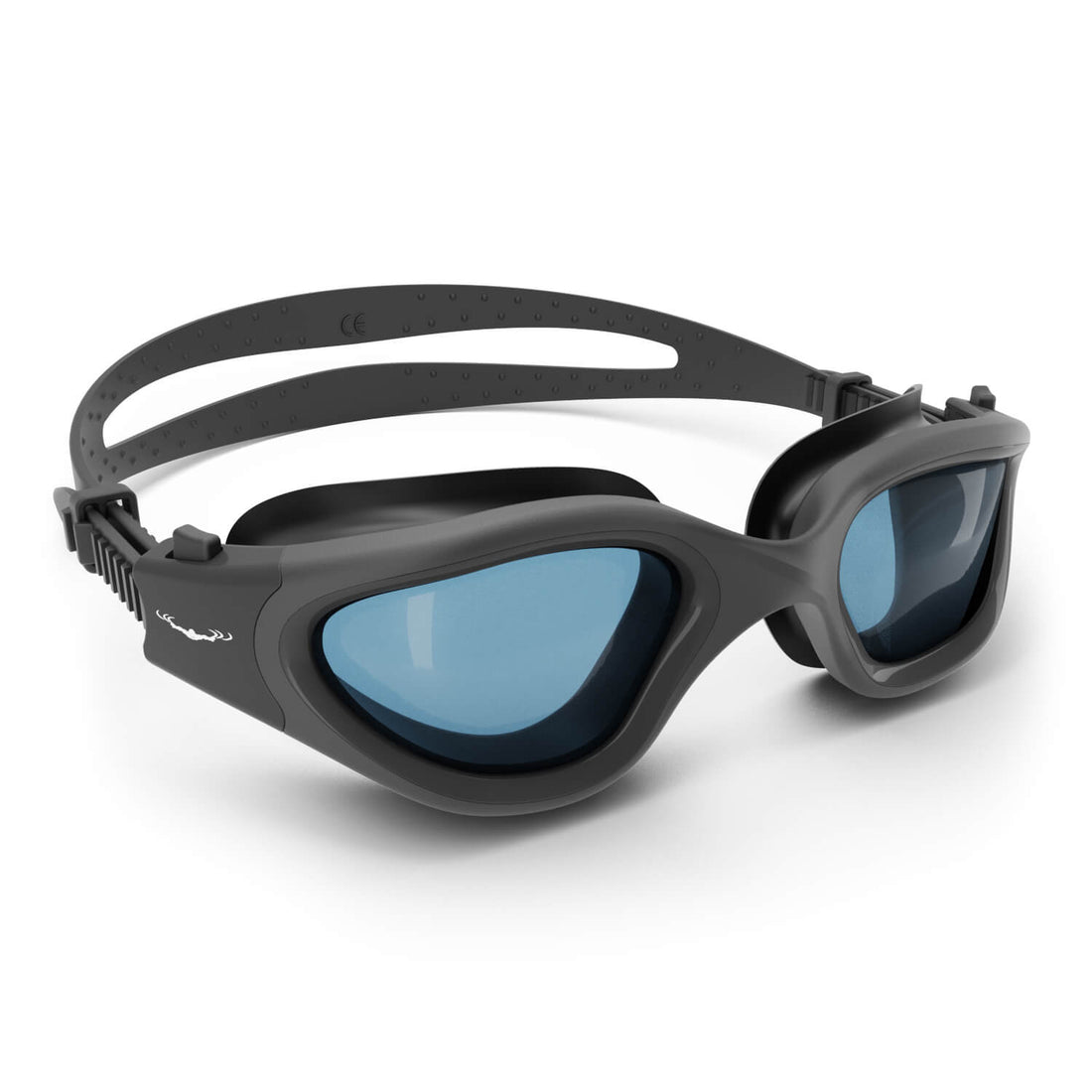
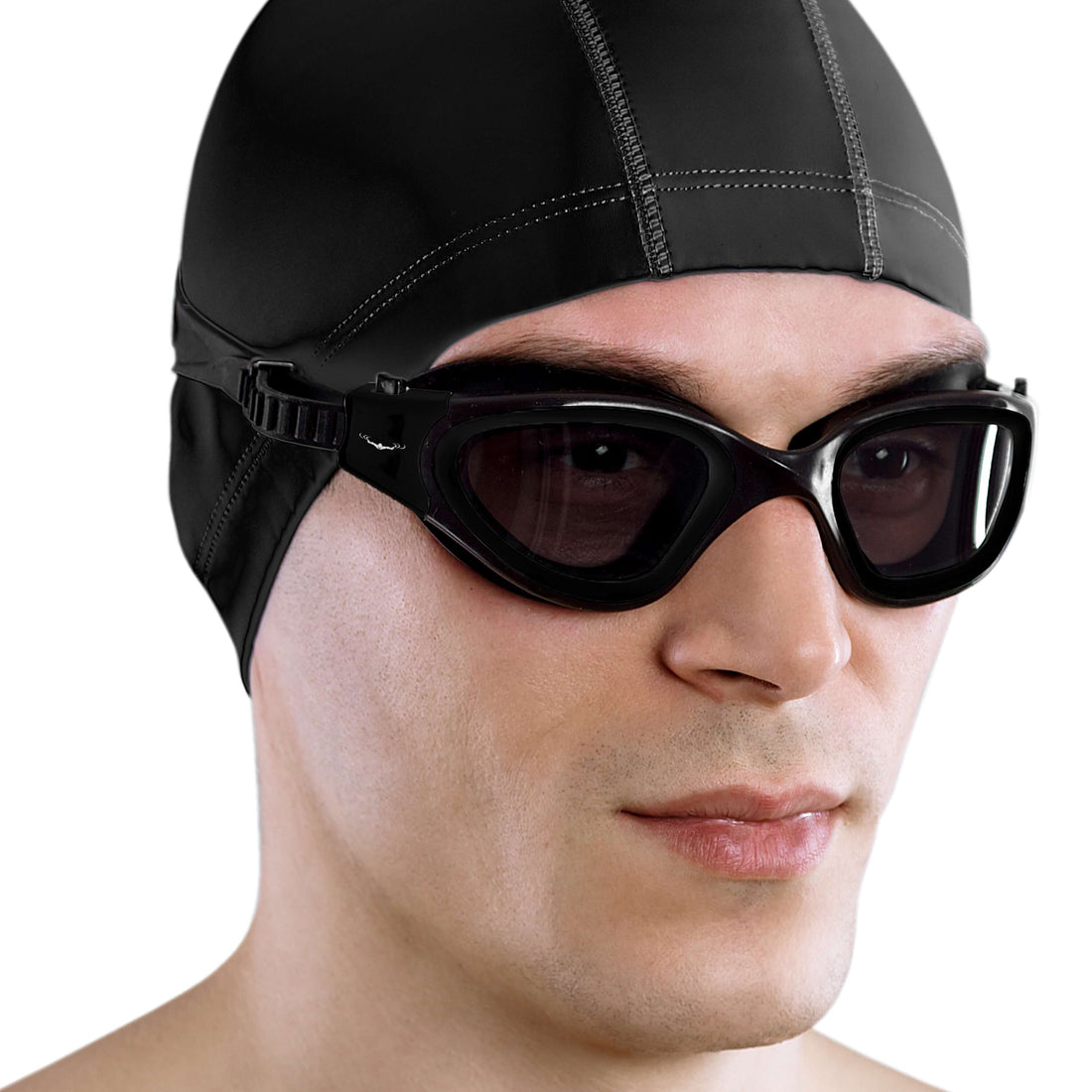
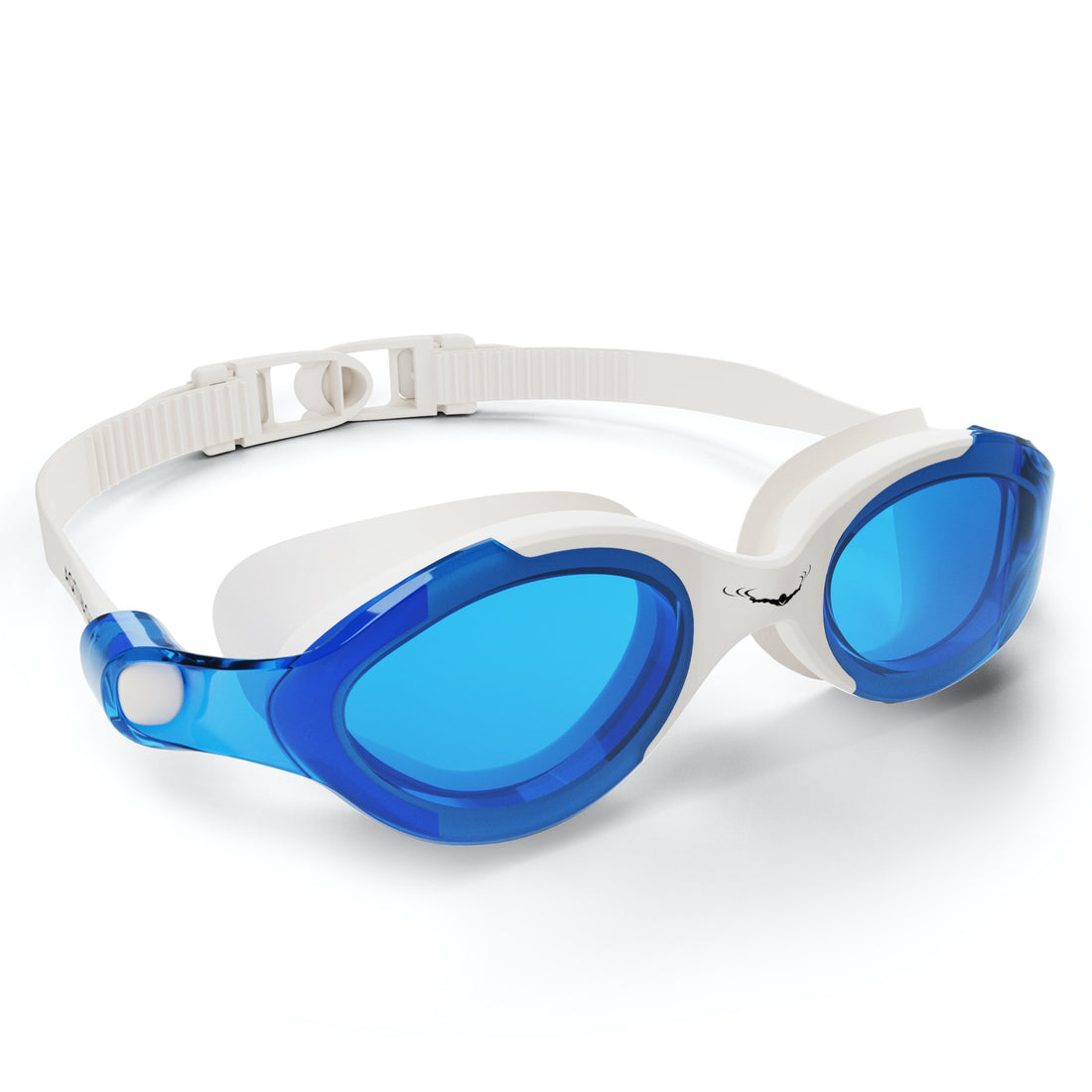
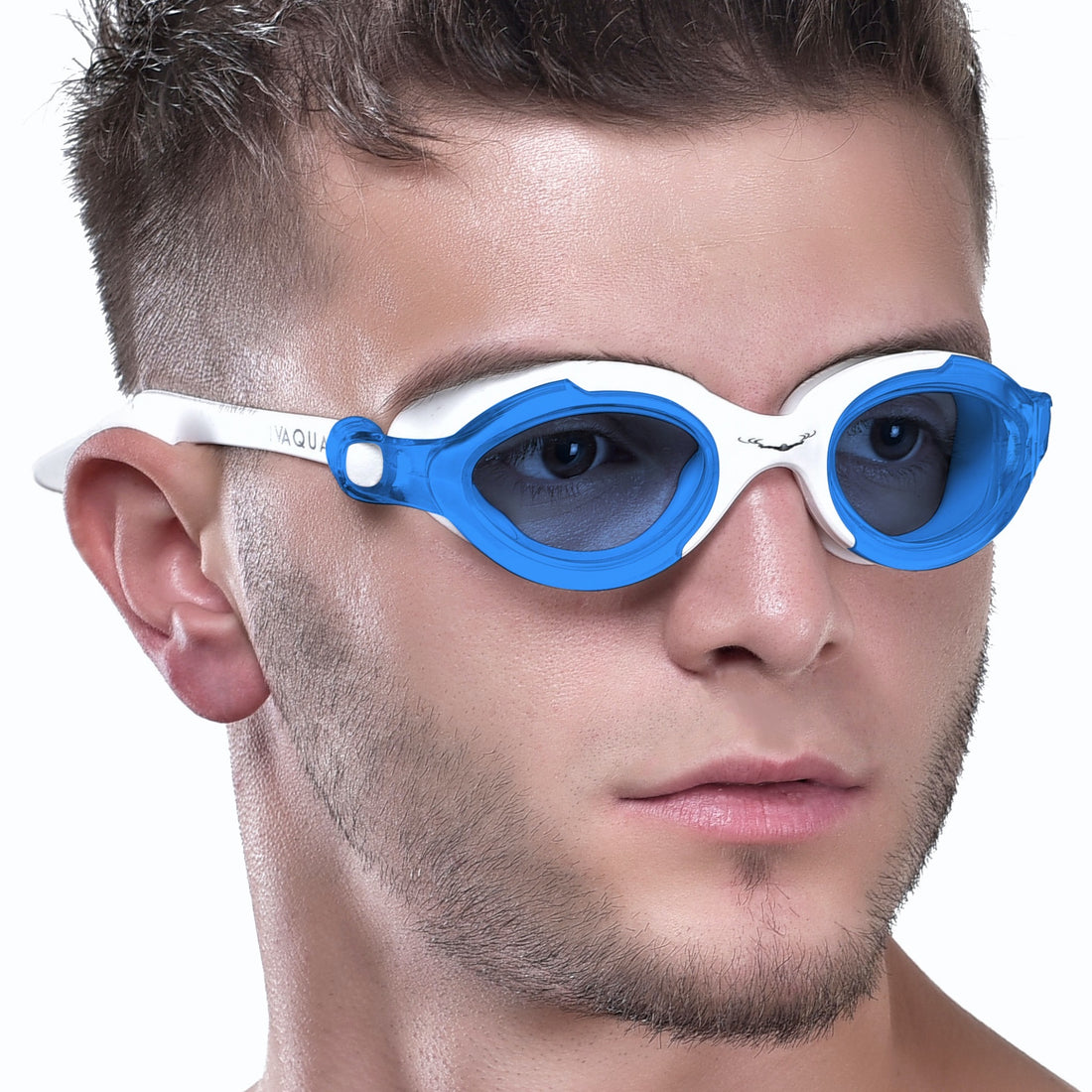
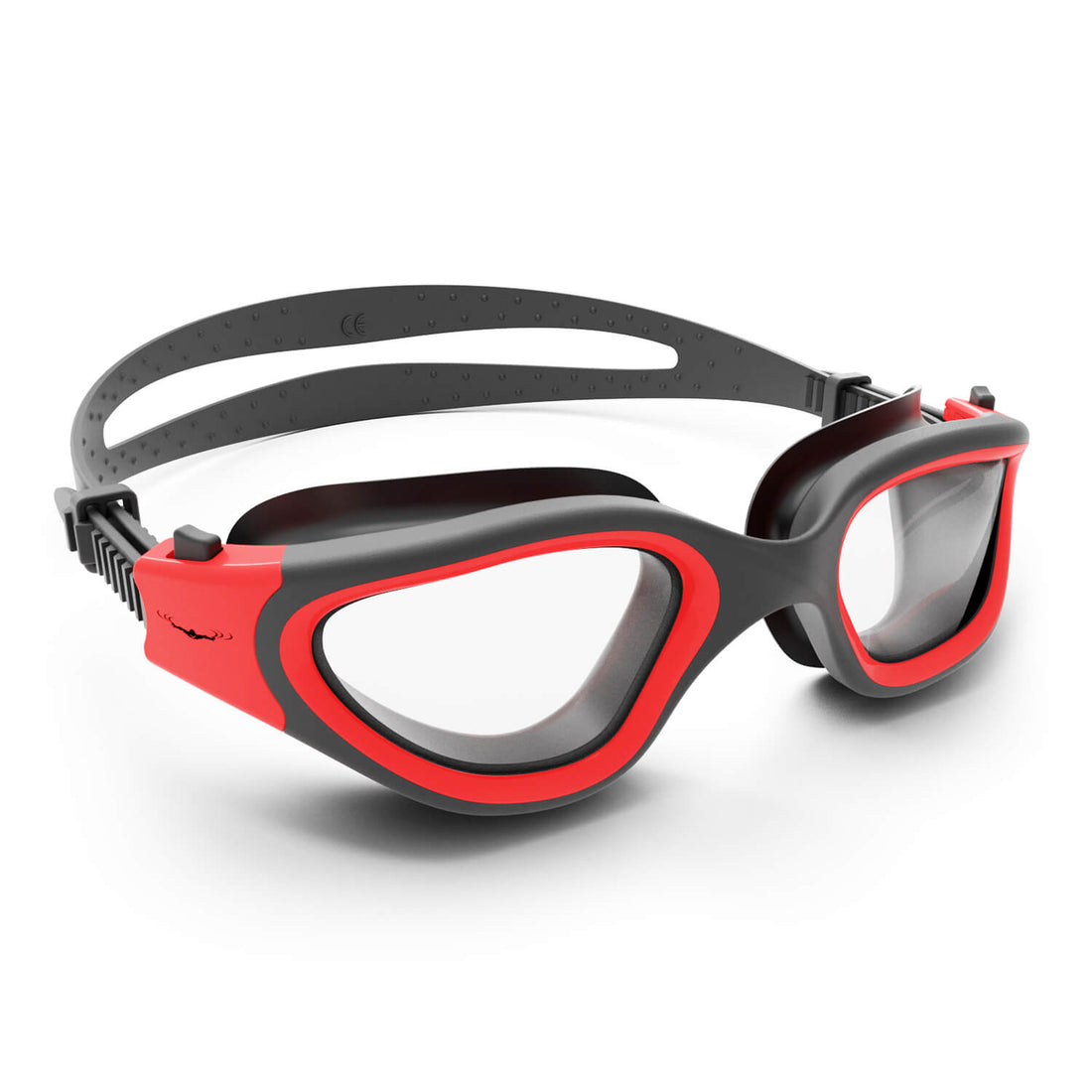
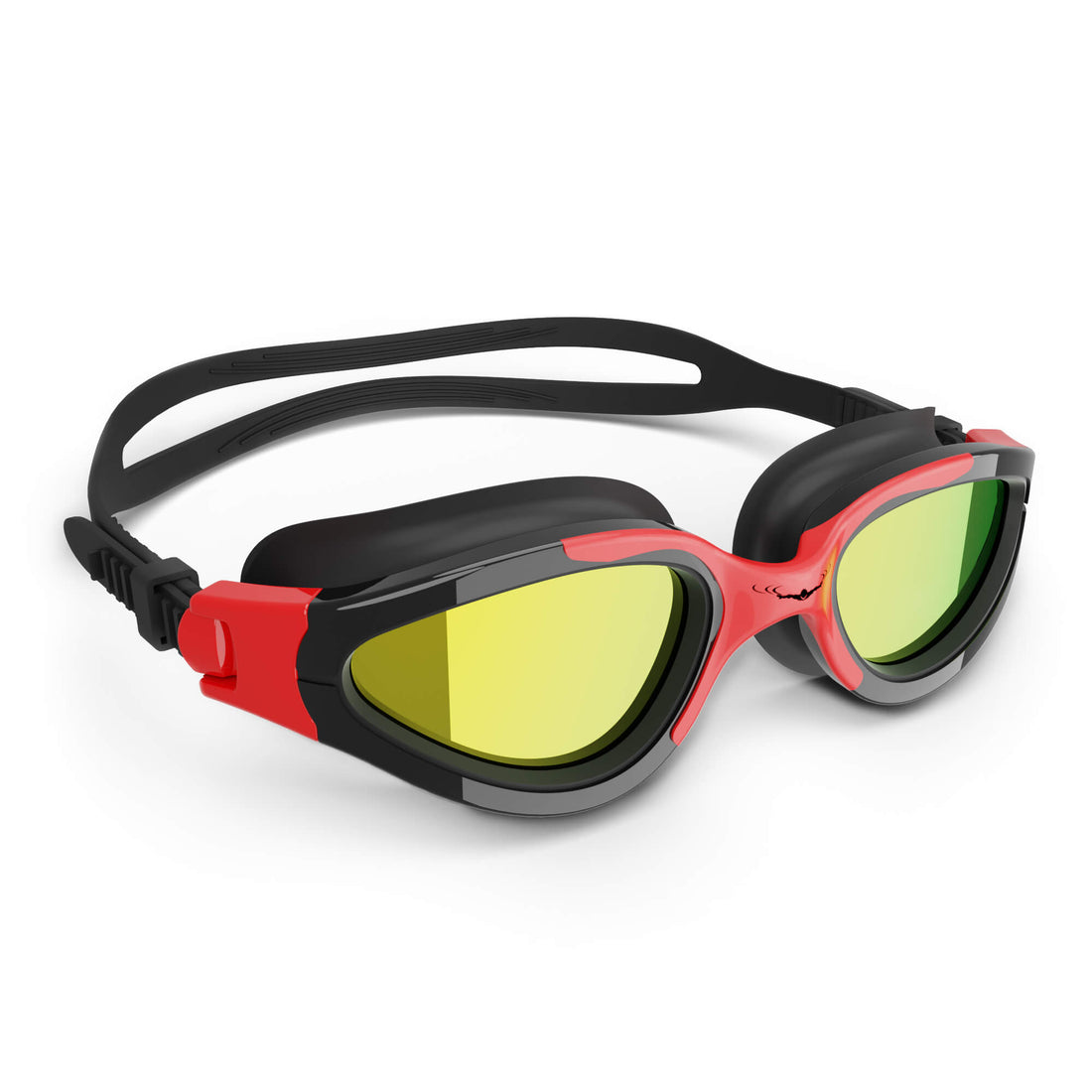
Aside from nutrition, the right swimming gear can also enhance performance. Investing in quality equipment like a premium silicone swim cap and swim goggles is essential. They can help optimize your swim experience, providing both comfort and improved aerodynamic capability in the water.
Choosing the Right Swim Equipment
When selecting swim gear, consider the following:
- Material: Look for high-quality materials that offer durability and comfort.
- Fit: Ensure a snug fit to avoid slip or drag in the water.
- Functionality: Choose features that meet your unique swimming needs, from UV protection to enhanced visibility.
Combining the right swim equipment with a proper nutrition plan will set you on the path for success in the pool.
Swimming Performance: The Bigger Picture
Improving swimming performance goes beyond training and nutrition; it requires a holistic approach that incorporates mental training, proper rest, and recovery strategies. Stay focused on your goals, and be flexible in your methods as you adapt to new challenges.
Whether you are a competitive swimmer or a recreational athlete, understanding the integral role of nutrition and the right equipment can vastly influence your experience and results. Embrace this knowledge and approach your swimming journey with confidence and enthusiasm. You’ll find that every stroke in the water becomes an opportunity to excel!
Linked Product

Silicone Swim Cap Waterproof
The Silicone Swim Cap Waterproof offers effective protection for your hair against chlorine and pool water, ensuring color longevity. Its high-elastic, tear-resistant silicone provides a comfortable fit for a wide range of head sizes, making it suitable for both adults and children. Designed for easy wear and removal, this cap minimizes hair pulling, making it a practical choice for swimmers of all levels.
View Product