

Overview
Learn essential swimming techniques for beginners, including floating, breathing, kicking, and arm strokes, to enhance safety and fitness. Equip yourself with necessary gear like swimming goggles and swim caps, and prioritize practice and safety while enjoying your swimming journey.
Frequently Asked Questions
1. Why is learning proper swimming techniques important?
2. What are the essential swimming techniques for beginners?
3. What equipment is necessary for beginner swimmers?
4. How can I practice my swimming skills effectively?
5. What safety tips should I follow while swimming?
Swimming is not only a fantastic way to stay fit, but it’s also a skill that can save lives. Whether you’re splashing in a pool or gliding on a serene lake, mastering the basics can enhance your enjoyment of water activities. In this article, we will delve into essential swimming techniques suitable for beginners. We will also discuss necessary gear, such as swimming goggles with case and swim caps, to ensure you’re well-prepared for your aquatic adventures.
The Importance of Proper Swimming Techniques
Before you jump into the water, it’s crucial to understand why proper swimming techniques are important. Good technique not only helps you swim efficiently but also reduces the risk of injury. A few benefits of learning proper swimming techniques include:
- Improved Safety: Knowing how to swim correctly can prevent accidents and increase your confidence in the water.
- Enhanced Fitness: Swimming is an excellent full-body workout, and good techniques can maximize muscle engagement.
- Increased Endurance: Proper techniques allow for better oxygen use, leading to improved stamina in the water.
Essential Swimming Techniques for Beginners
1. Floating
The ability to float is fundamental for beginners. Floating helps you become familiar with the water and builds confidence. Here’s how to do it:
- Start in a shallow area of the pool.
- Lie on your back, keeping your body relaxed.
- Spread your arms and legs slightly to distribute your weight evenly.
- Keep your head in line with your spine and let your lungs aid in buoyancy by taking a slightly deep breath.
Try practicing floating until you feel comfortable enough to progress to more advanced techniques.
2. Breathing Techniques
Breathing properly is crucial in swimming to ensure you have enough oxygen and maintain a steady rhythm. Here’s a basic method for effective breathing:
- Start practicing breathing while standing in shallow water.
- Take a deep breath through your mouth, then dip your face into the water.
- Quickly lift your head to exhale, then dip back down to inhale.
Using swimming goggles with case can also help you keep your eyes open underwater while easing the transition to full strokes.
3. Kicking
Kick techniques play an important role in propelling you forward. Here’s how to perfect your kicking:
- Hold onto the side of the pool or use a kickboard.
- Keep your legs straight but relaxed, with your toes pointed.
- Use small, quick kicks rather than massive movements; this will help you conserve energy.
Practicing your kicks will help build leg strength and make swimming more enjoyable as you progress.
4. Arm Strokes
Different strokes require different arm movements. Here, we will focus on the two most common strokes for beginners: Freestyle and Breaststroke.
Freestyle
- Reach your arm forward, nearly straight, while the other arm moves to your side.
- Pull back your arm through the water while keeping your elbow high.
- Every time you pull, integrate a kick from your legs.
Breaststroke
- Start with your arms extended in front, then pull them back towards your chest.
- While pulling your arms, perform a frog kick with your legs, drawing them up and outward.
- Push your arms back out while extending your legs to streamline your body again.
Practice these arm strokes with coordination between your breathing and kicking for optimal performance.
5. Turning and Floating at the End of the Lane
Learning how to turn effectively can improve your swimming experience. Here's how to execute a basic turn:
- When approaching the wall, draw your knees towards your chest.
- Perform a somersault to switch your direction while maintaining a streamlined position.
- Use your feet to push off the wall forcefully and resume your preferred stroke.
With mastery over turns and floatation, you’ll find your swimming sessions much more enjoyable.
Additional Equipment for Beginners
While knowing techniques is essential, the right equipment can greatly enhance your swimming experience. Some fundamental gear includes:
Swimming Goggles
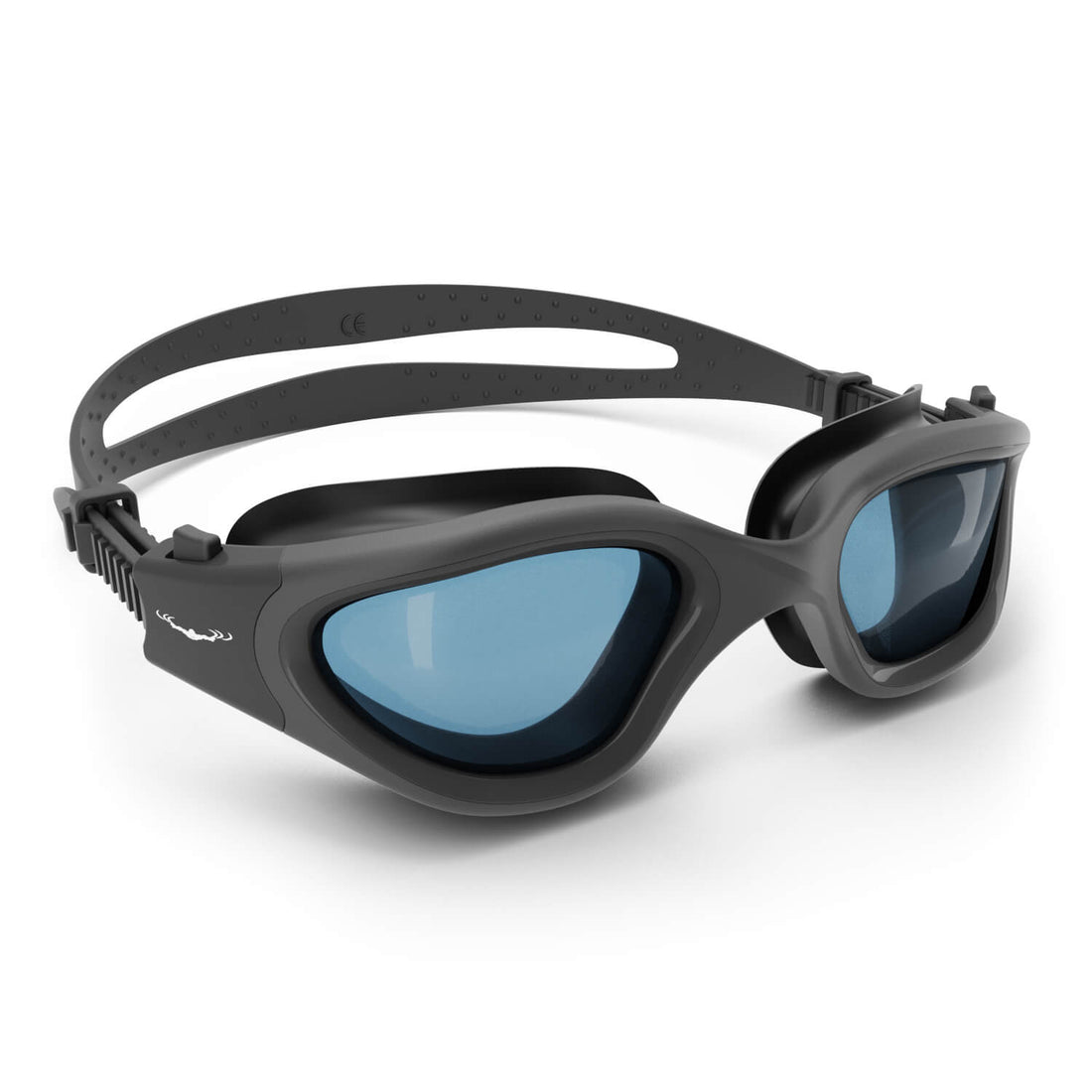
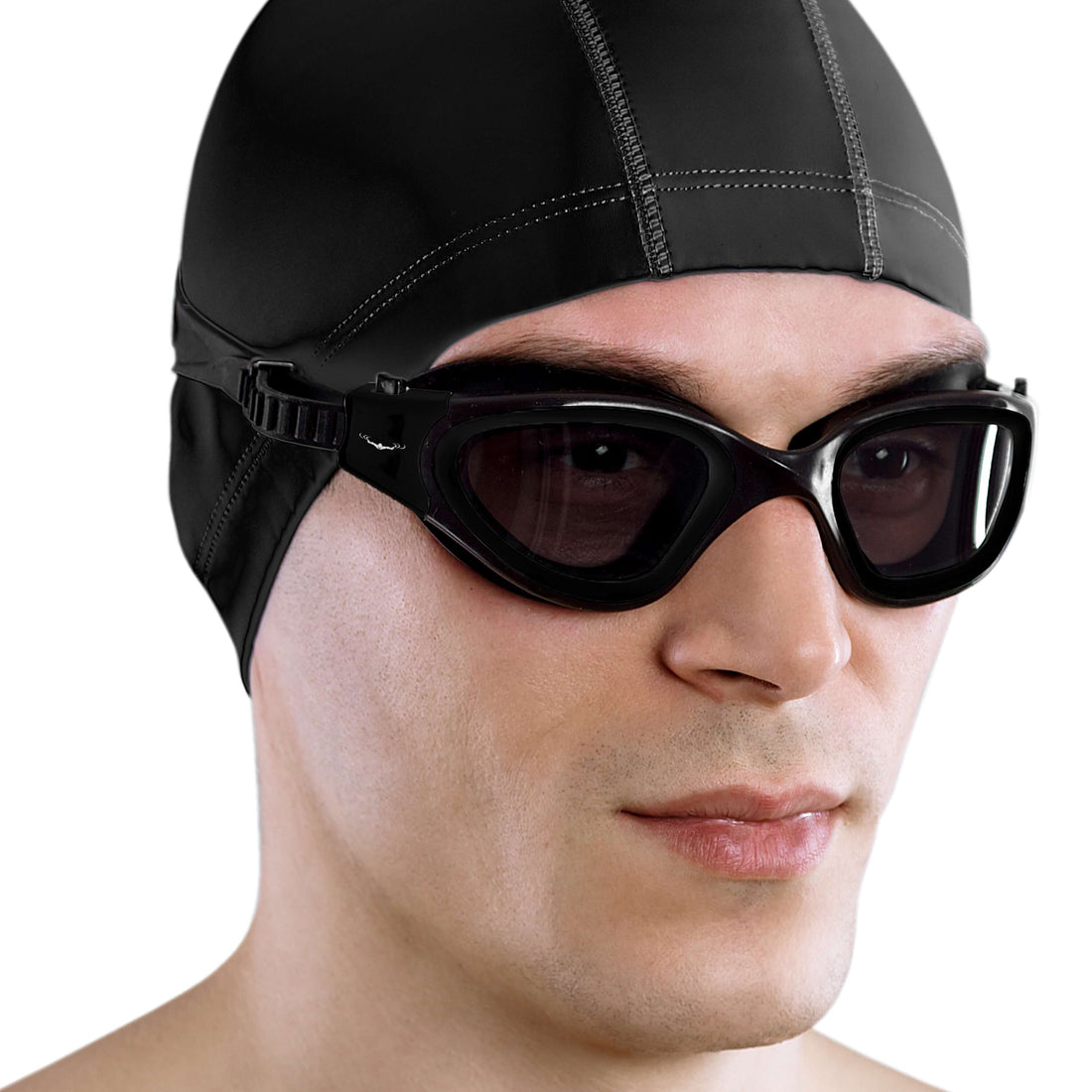
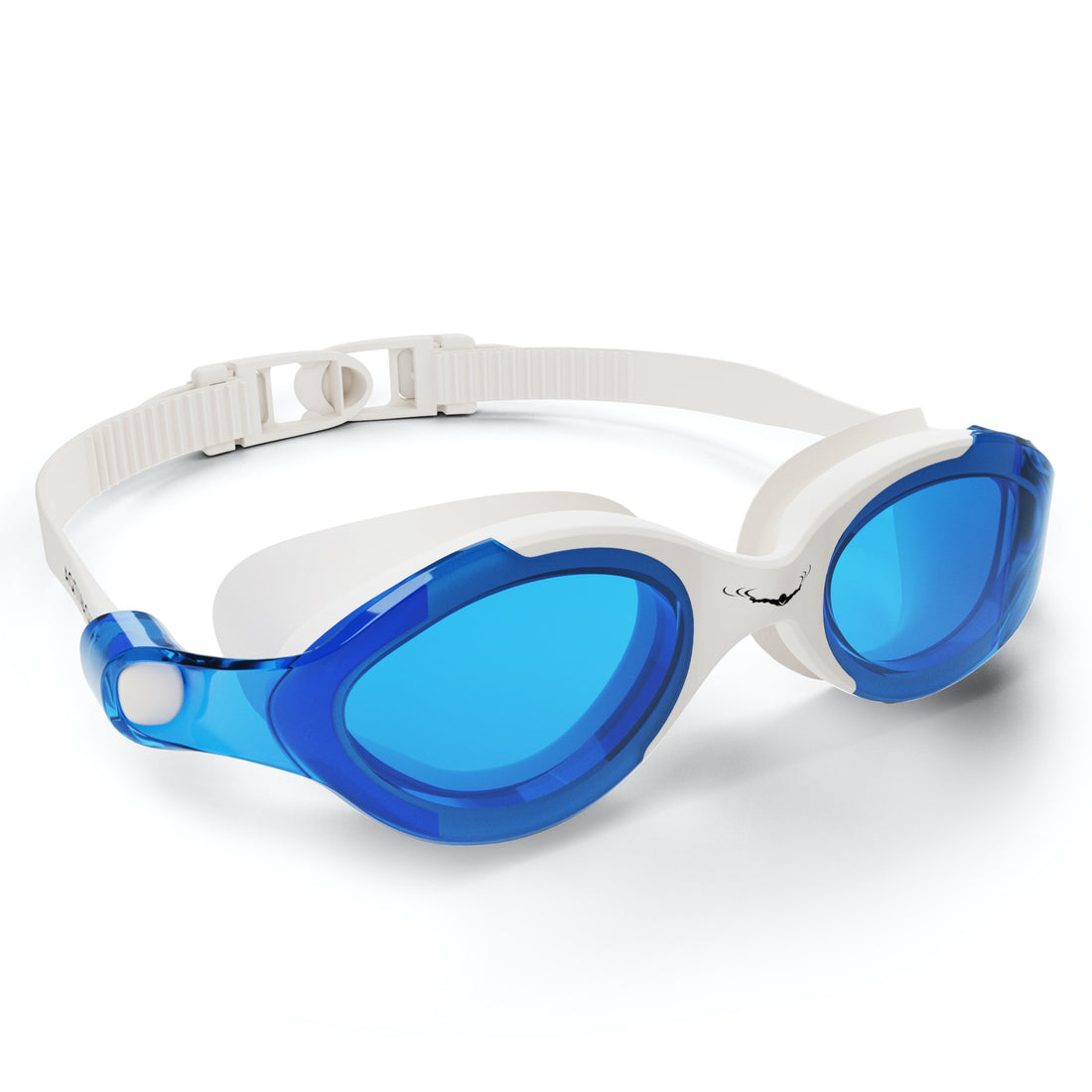
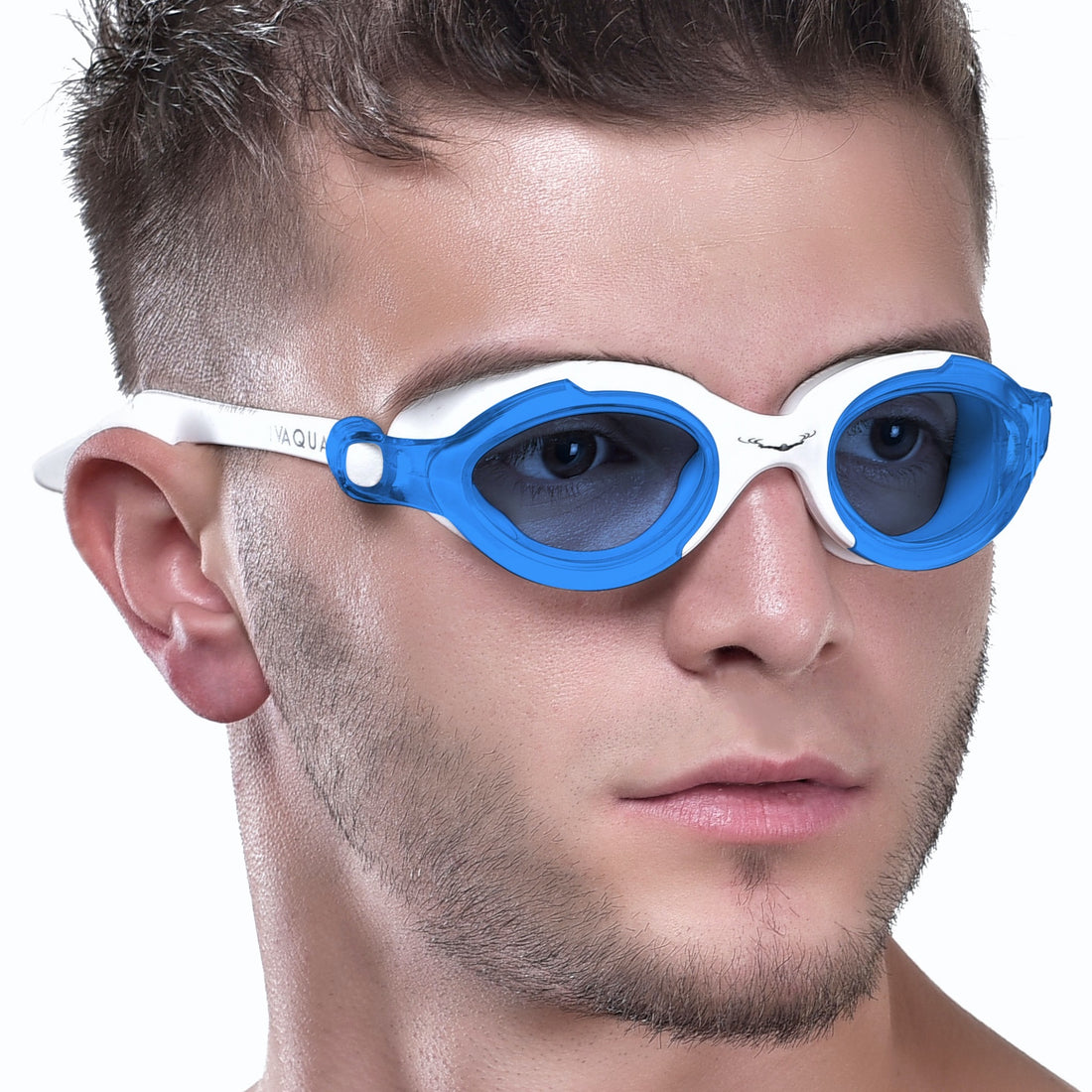
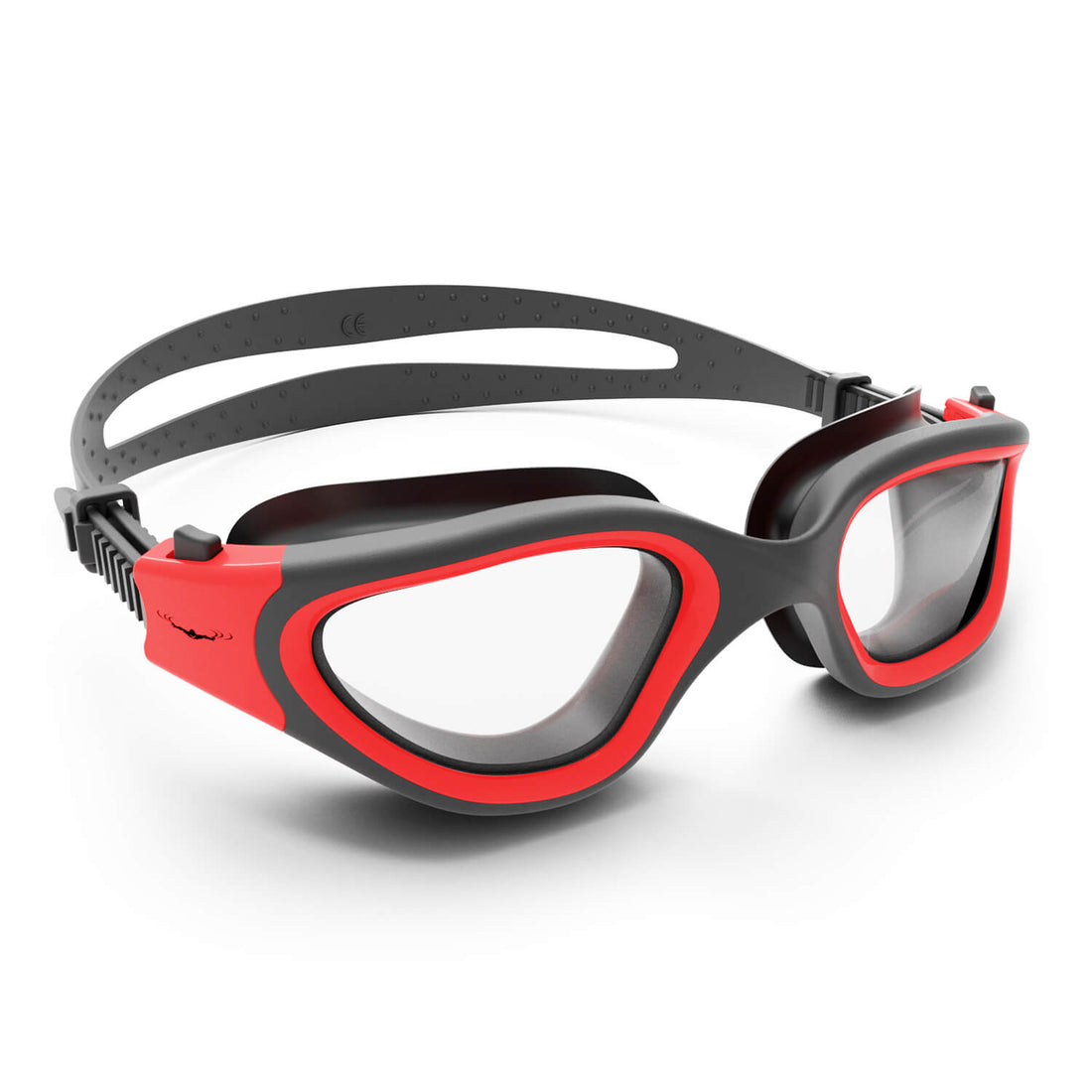
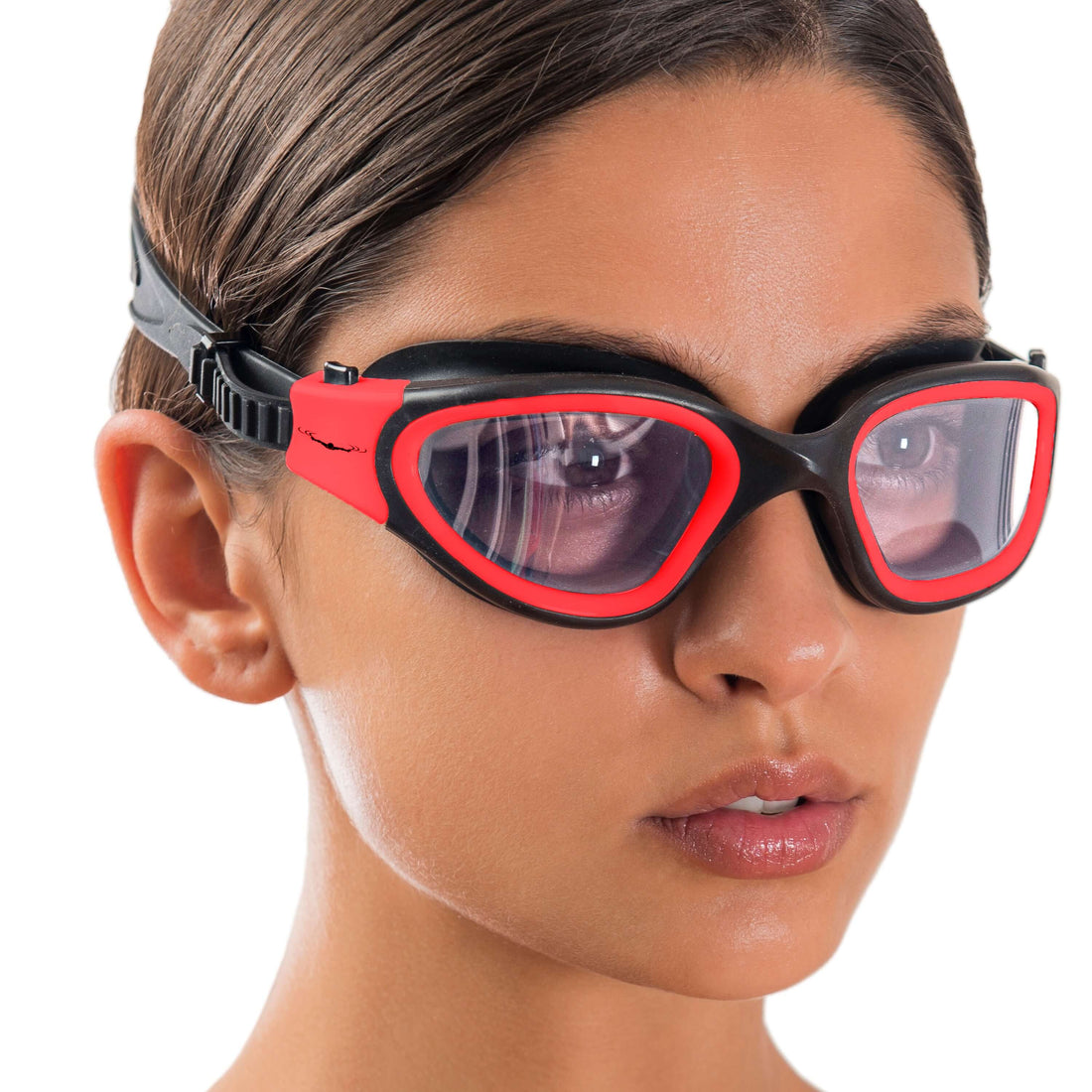
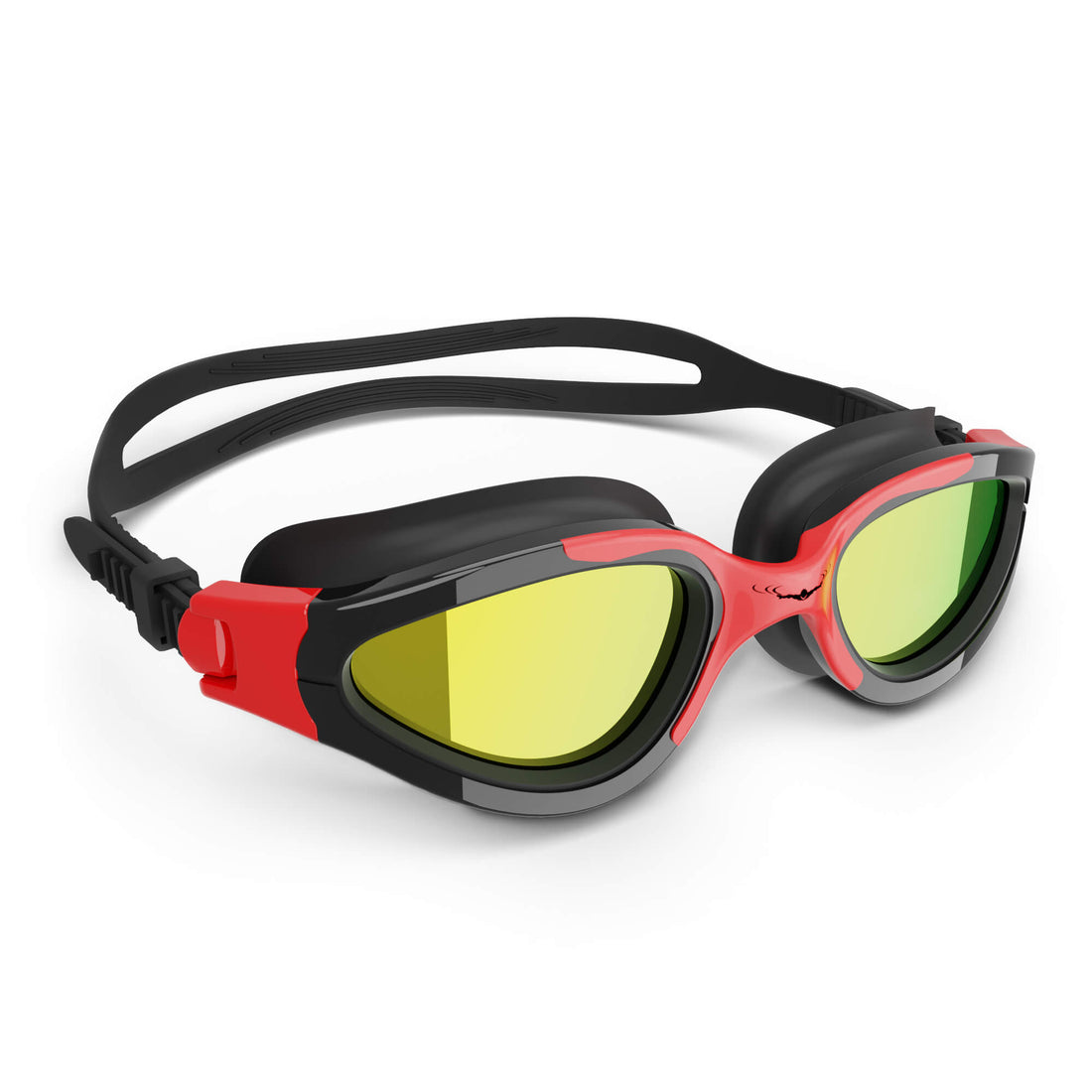
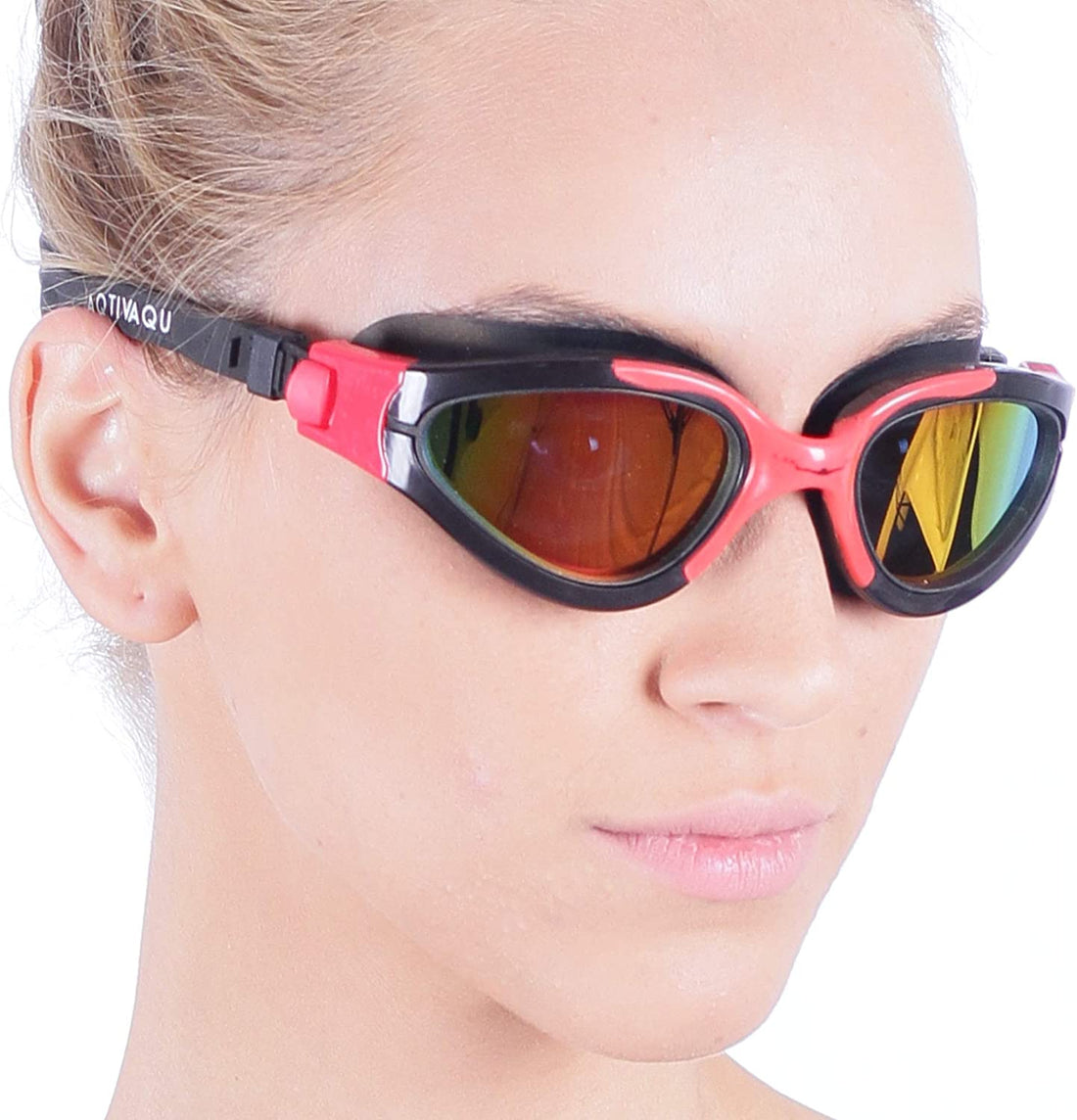
Swimming goggles provide a clear view underwater, minimizing eye irritation from chlorine and enhancing visibility. It’s wise to invest in a quality pair, preferably one that comes with a case for protection when not in use. This will ensure longevity and keep them scratch-free.
Swim Caps
Swim caps can help keep your hair dry and free from tangles while giving you a more streamlined appearance in the water. They also serve as a barrier between your hair and chlorine, reducing potential damage.
Practice Makes Perfect
Like any new skill, practice is vital when it comes to swimming techniques. Set realistic goals and be patient with yourself. Start with short sessions and gradually increase your time in the water. Here are some tips to integrate into your practice routine:
- Start with 20-30 minute sessions focusing on different techniques.
- Schedule at least two swimming sessions a week to build consistency.
- Seek feedback from more experienced swimmers or consider joining a swim class for beginner training.
Stay Safe While Swimming
Safety should be your number one priority while swimming. Here are some essential safety tips:
- Always swim in designated swimming areas, ideally with a lifeguard on duty.
- Never swim alone—bring a buddy along for fun and safety.
- Be mindful of your limits and don’t push yourself too hard, especially when practicing new techniques.
Building a Community
Engaging with others who share your love for swimming can be beneficial. Join local swimming clubs or online forums to connect with fellow swimmers. These communities offer support, tips, and insights that can help enhance your skills.
As you embark on your swimming journey, be sure to keep your gear in good condition. Remember to store your swimming goggles carefully in their case and clean your swim caps to maintain their elasticity.
Let the Water Embrace You!
Swimming is a skill that opens up a world of adventure, relaxation, and fitness opportunities. With the essential techniques discussed here and the right equipment, you are well on your way to becoming a confident swimmer. Remember to practice regularly and enjoy the transformation that comes with your newfound skills. Dive in and let the water embrace you!
Linked Product

DX Wide View Swim Goggles + SHOCK Protective Case
The DX Wide View Swim Goggles are designed for optimal visibility with their 180° polycarbonate lenses, providing clear vision in various lighting conditions. Their comfortable double-seal design ensures a leak-free fit, while the adjustable strap allows for quick adjustments even during your swim. The included SHOCK protective case enhances durability and offers convenient storage for your goggles.
View ProductVisit the Shopify or Wix store of a fellow user by following this link to their store. Please note that this is a promotional link, and we are not responsible for the content of the linked store.