

Overview
Understanding swimming's physics, technique, and gear is crucial for improving performance. Key factors include buoyancy, drag, propulsion, and proper body position. Structured training, including endurance and technique drills, enhances skills. The right gear, such as wide view swim goggles, optimizes focus and comfort. Nutrition, hydration, and recovery practices also play essential roles. Setting goals and tracking progress help maintain motivation in your swimming journey.
Frequently Asked Questions
1. What is the physics behind swimming?
2. Why is technique important in swimming?
3. How can swimming gear affect performance?
4. What role does nutrition play in swimming performance?
5. How can I track my progress in swimming?
Swimming is often described as a fluid art form, a perfect blend of technique, strength, and stamina. Understanding the science behind swimming techniques can significantly enhance performance in the water. This article delves into the mechanics of swimming, the importance of technique, and how the right gear, like wide view swim goggles, plays a role in optimizing your training and competition outcomes.
The Physics of Swimming
At its core, swimming is governed by the laws of physics, including buoyancy, drag, and propulsion. Understanding these concepts can help any swimmer improve their technique and efficiency in the water.
Buoyancy
Buoyancy refers to the ability of the body to float in water and is influenced by body composition and position. Swimmers with a higher muscle mass may find themselves sinking more than those with a higher body fat percentage, which provides extra buoyancy. This balance between buoyancy and drag is crucial; achieving a streamlined position reduces drag and allows for smoother movement through water.
Drag
Drag is the resistance faced by a swimmer as they move through the water. There are three types of drag: form drag, wave drag, and skin drag. Each can significantly impact a swimmer’s speed and efficiency. A streamlined body position helps to minimize form drag, while the right swimming gear, like swimming goggles, can aid in maintaining focus and reducing disruptions, ultimately leading to better performance.
Propulsion
Propulsion is generated through the swimmer's strokes. The efficiency of these strokes is determined by technique. For instance, a high elbow position during freestyle can yield more powerful strokes. Understanding how to effectively engage the larger muscles of the back and shoulders can provide greater propulsion with less effort.
The Importance of Technique
Every swimmer, from beginner to elite, can benefit from refining their technique. Good technique not only enhances speed but also reduces the risk of injury. Key factors that influence swimming technique include body position, stroke mechanics, and breathing patterns.
Body Position
Maintaining an optimal body position is crucial for reducing drag. Swimmers should aim to keep their body in a straight line, minimizing any movement that could create additional resistance. Utilizing the right wide view swim goggles is essential; they not only provide clarity underwater but also help swimmers to maintain focus and line of sight, encouraging proper body alignment.
Stroke Mechanics
Each stroke has its own set of mechanics and nuances. In freestyle, for example, the catch phase involves careful hand positioning to maximize water grip while pulling. Swimmers should practice the 'S' shaped pull, ensuring that their hand enters the water in a way that optimizes propulsion. Regular feedback and video analysis can further enhance stroke mechanics, allowing athletes to visualize their movements and make necessary adjustments.
Breathing Patterns
Breathing while swimming is often overlooked, but it is vital for maintaining technique and performance. Swimmers should develop a rhythmic breathing pattern that does not disrupt their stroke. The ability to turn the head without losing body position can be improved through practice and by using specific breathing drills. Additionally, using well-fitted swimming goggles can prevent water from entering the eyes, allowing swimmers to focus on their breathing without distractions.
Training for Improvement
Enhancing swimming performance requires a structured training regimen. Incorporating drills that focus on each aspect of swimming can lead to overall improvement. The blending of endurance training with focused technique drills is essential.
Endurance Training
Building endurance allows a swimmer to maintain their performance over longer distances. Sessions should involve a mix of both aerobic and anaerobic exercises. Incorporating interval training, where swimmers alternate between sprinting and moderate swimming, can significantly boost both speed and endurance.
Drills to Enhance Technique
Specific drills can target areas for improvement. Here are a few key drills to add to your routine:
- Catch-Up Drill: Focuses on the arm stroke in freestyle, ensuring each arm completes its stroke before the other begins.
- Single-Arm Drill: Enhances balance and helps swimmers focus on the mechanics of each arm stroke separately.
- 3-3-3 Drill: Swimmers use each stroke for three strokes before switching, allowing them to focus entirely on form and breathing.
The Role of Gear in Swimming Performance
The right swimming gear can make a significant difference in performance. From swimsuits to wide view swim goggles, each piece contributes to overall effectiveness in the water.
Swimwear Technology
High-performance swimwear is designed to reduce drag and enhance buoyancy. The materials used often have water-repellent properties, minimizing water absorption. When choosing swimwear, look for options that fit snugly without restricting movement.
Goggles
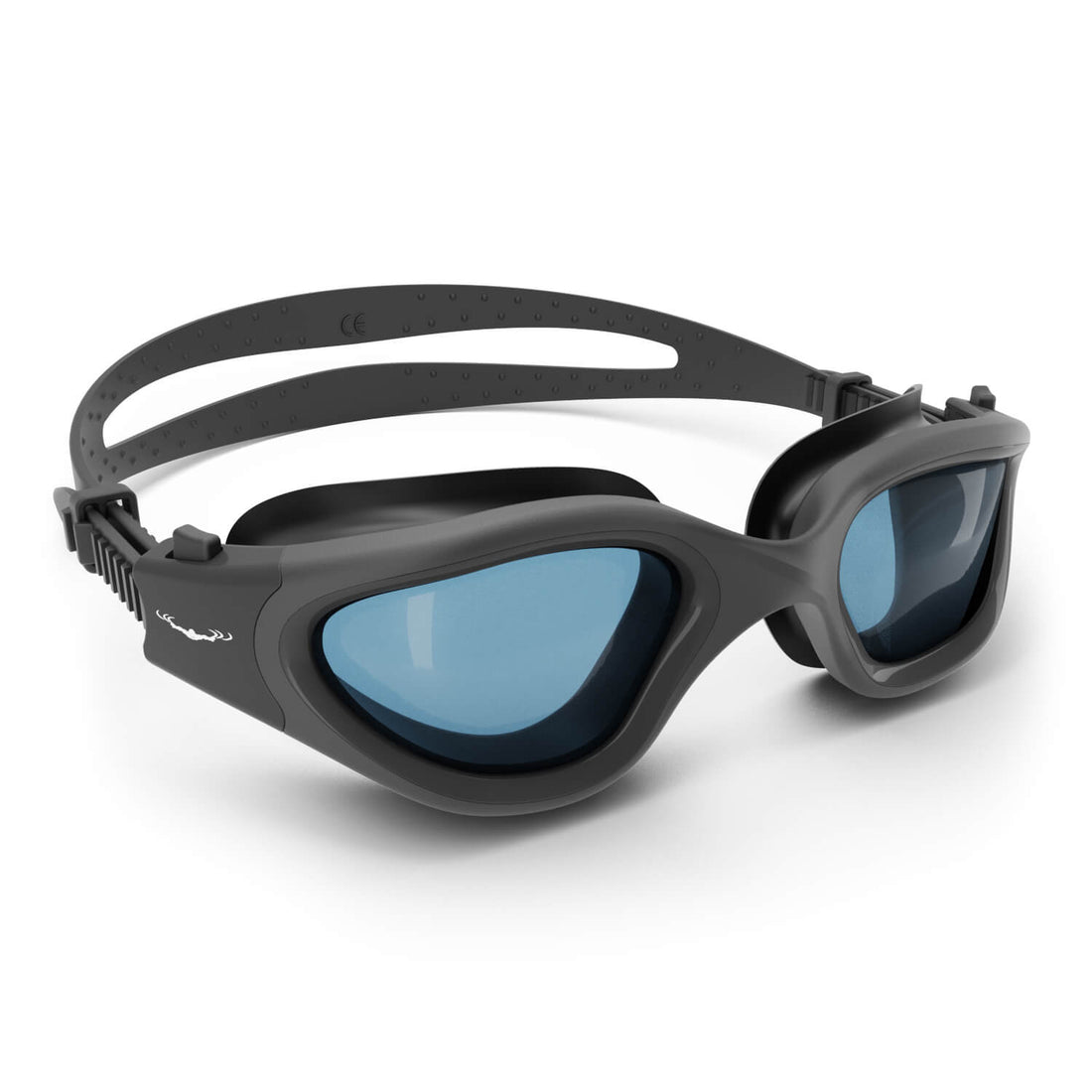
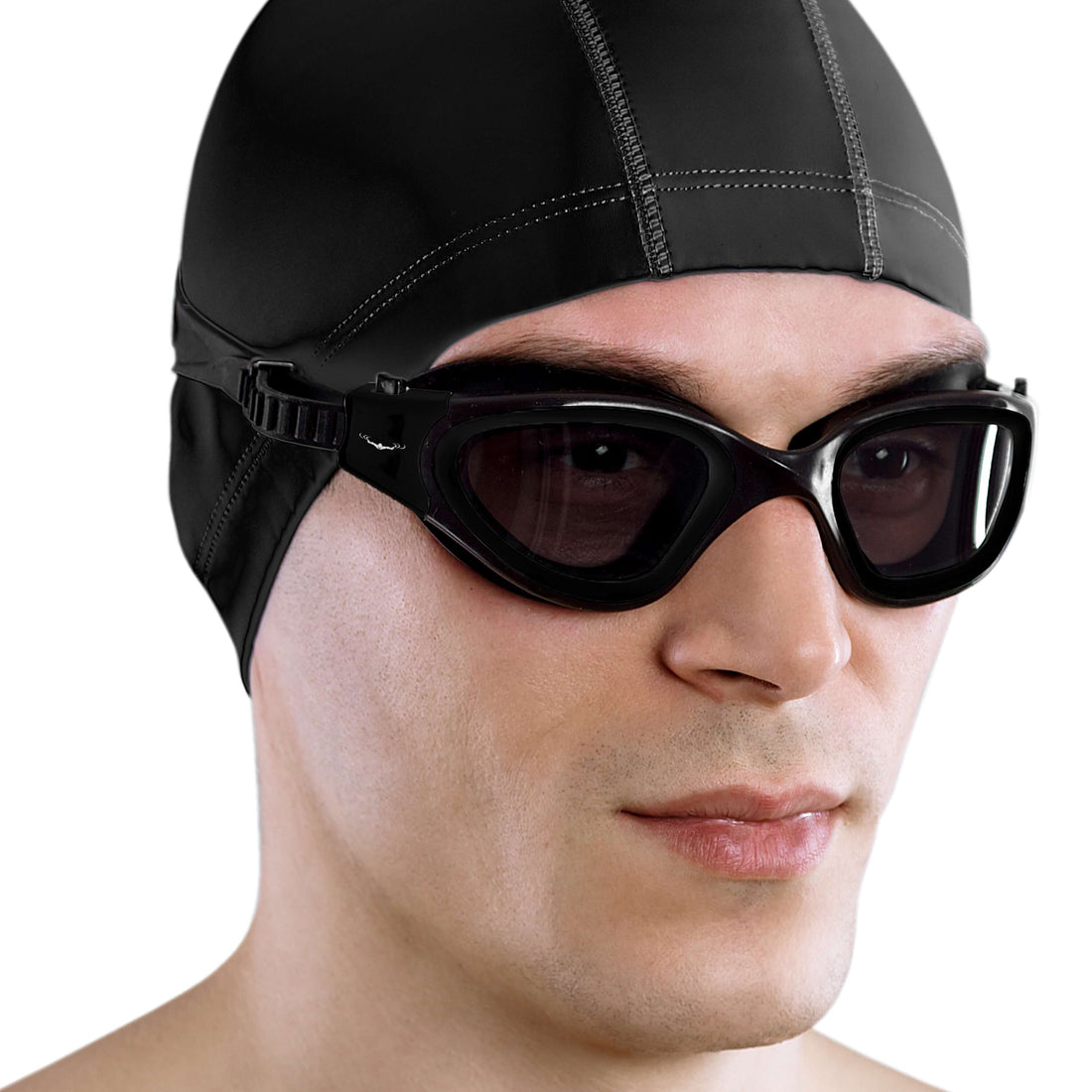
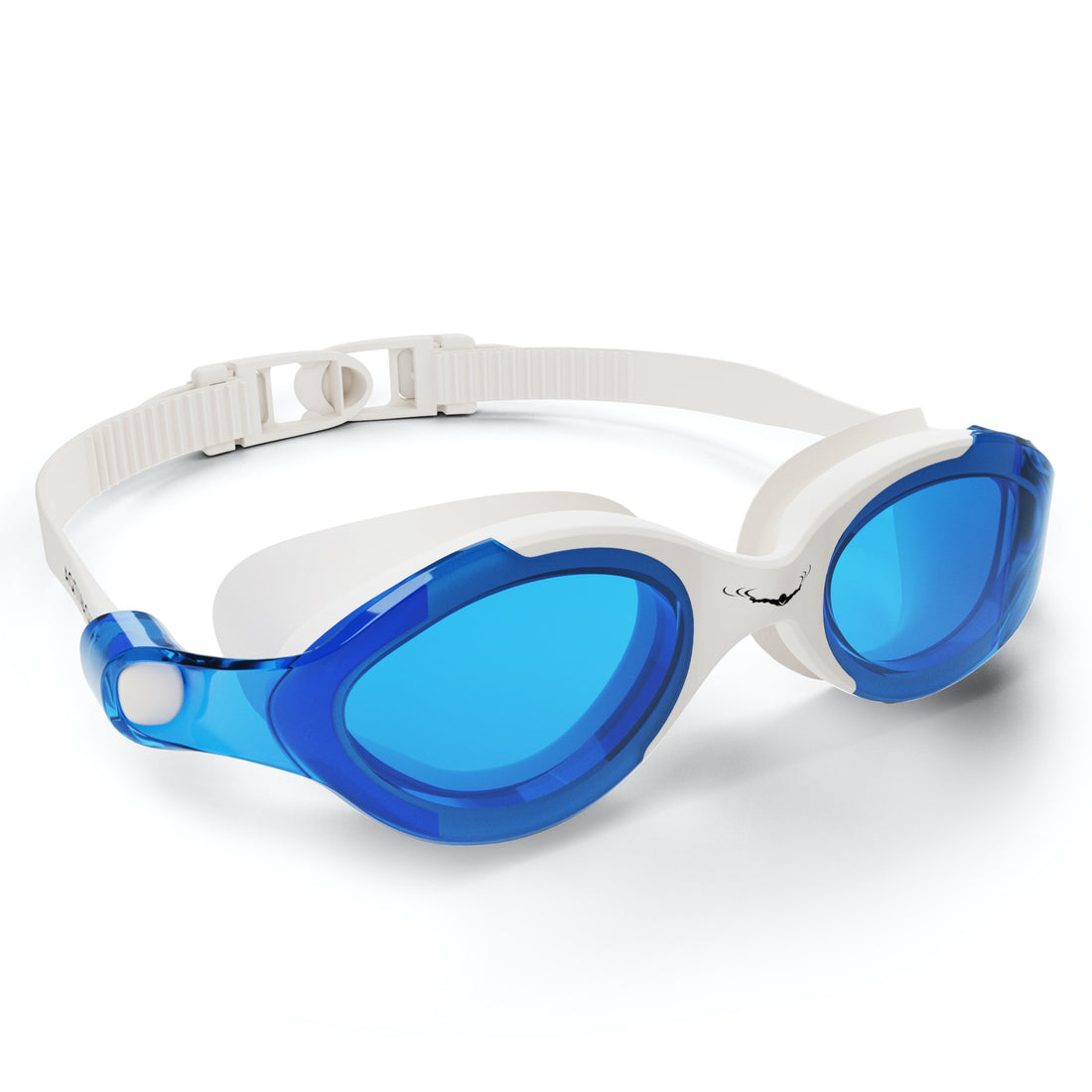
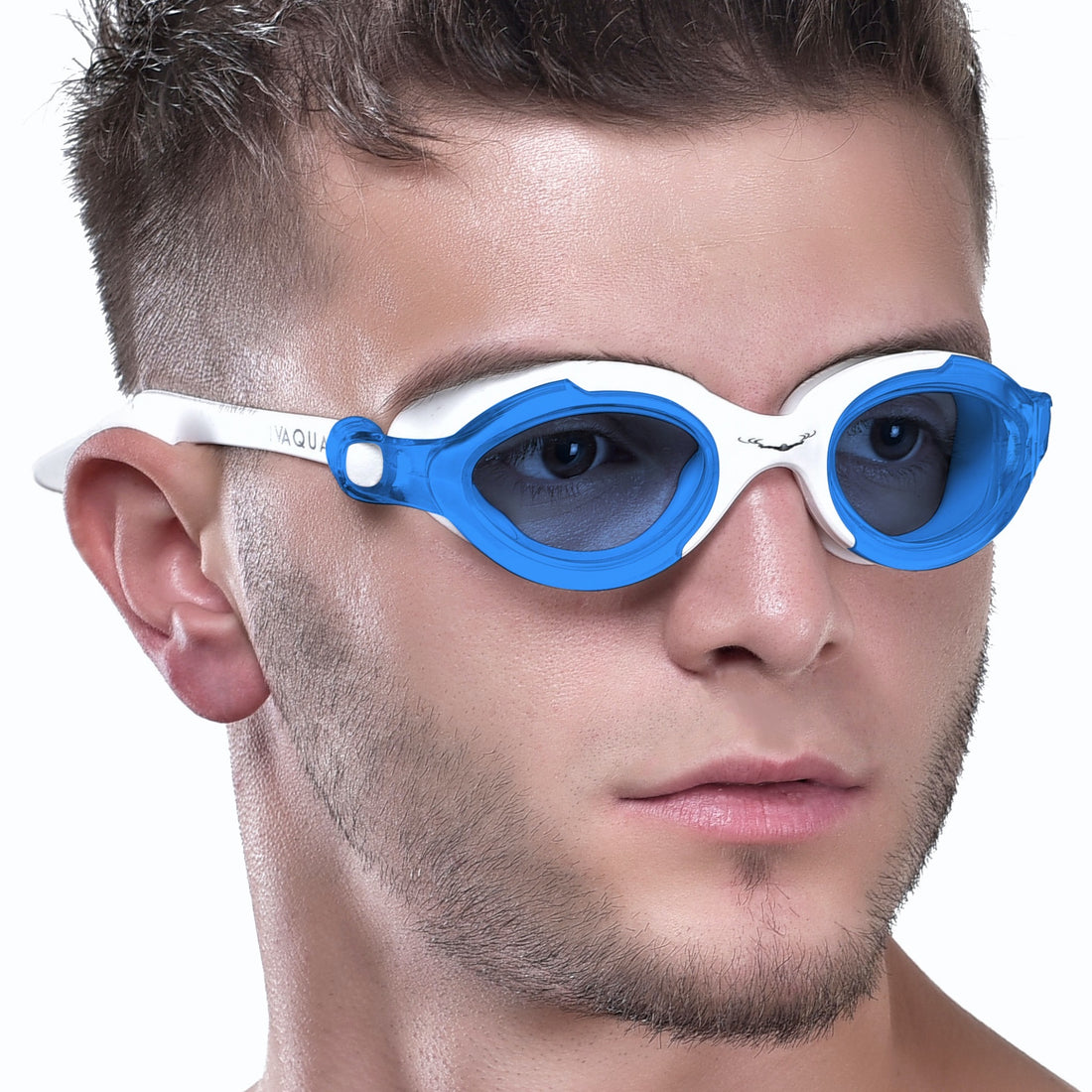
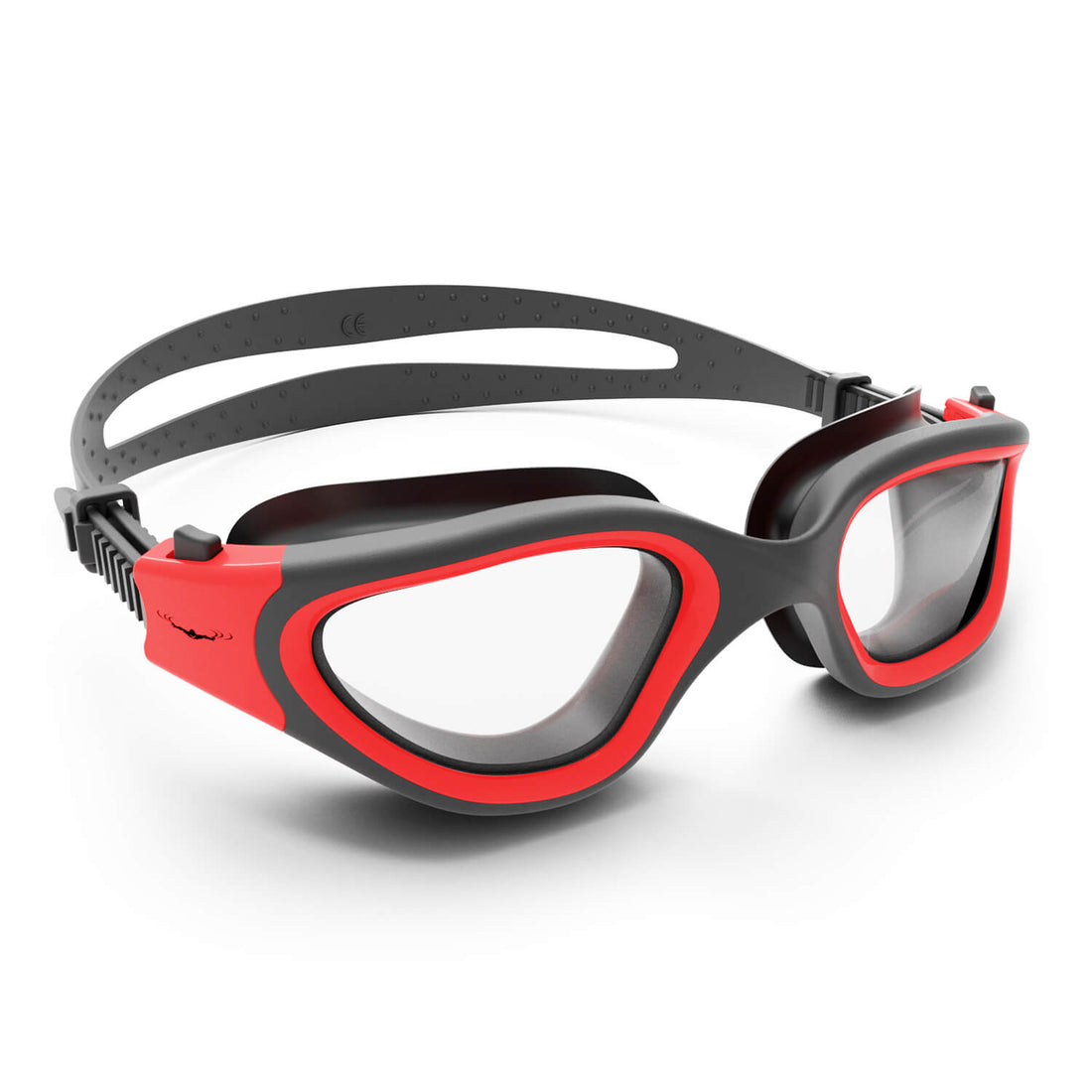
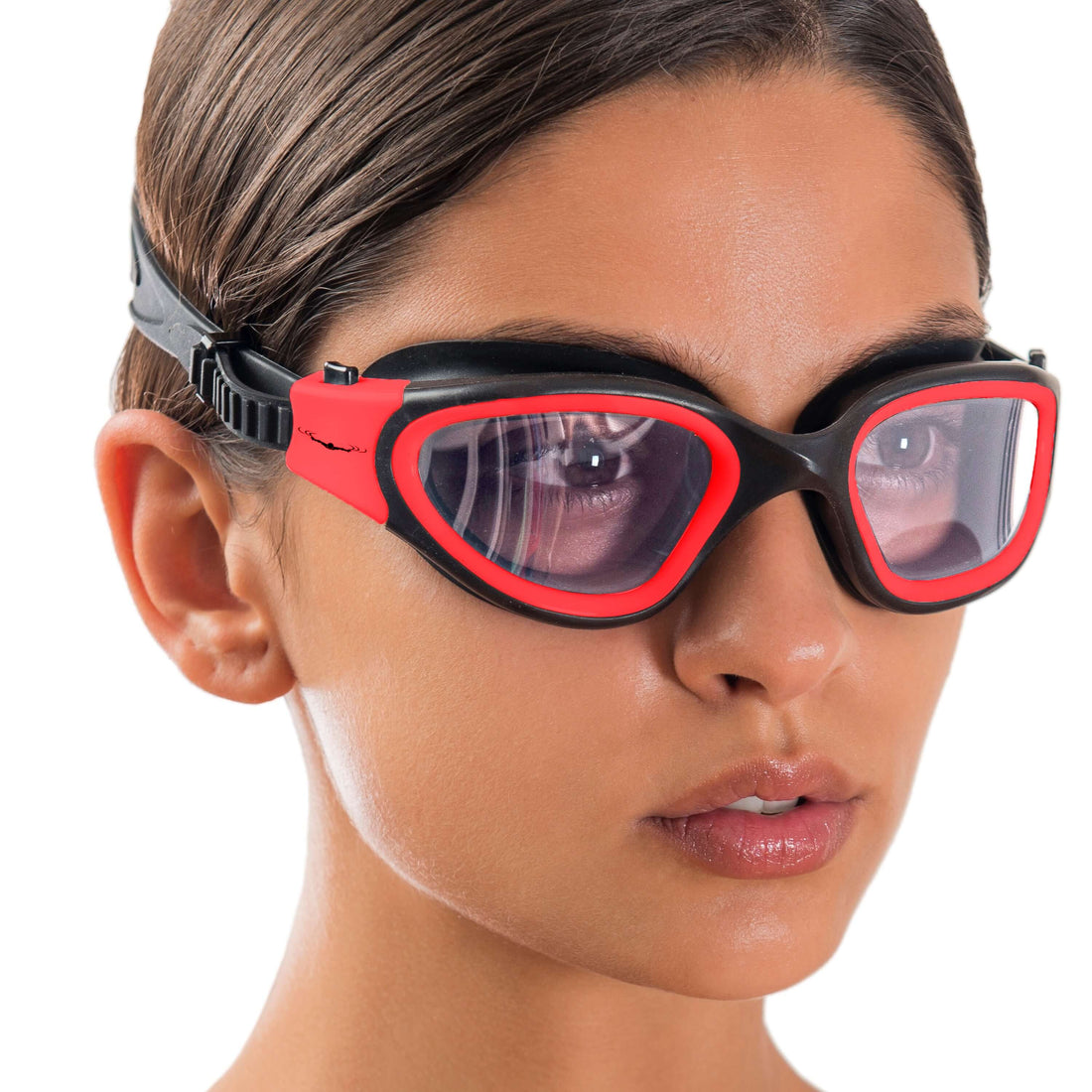
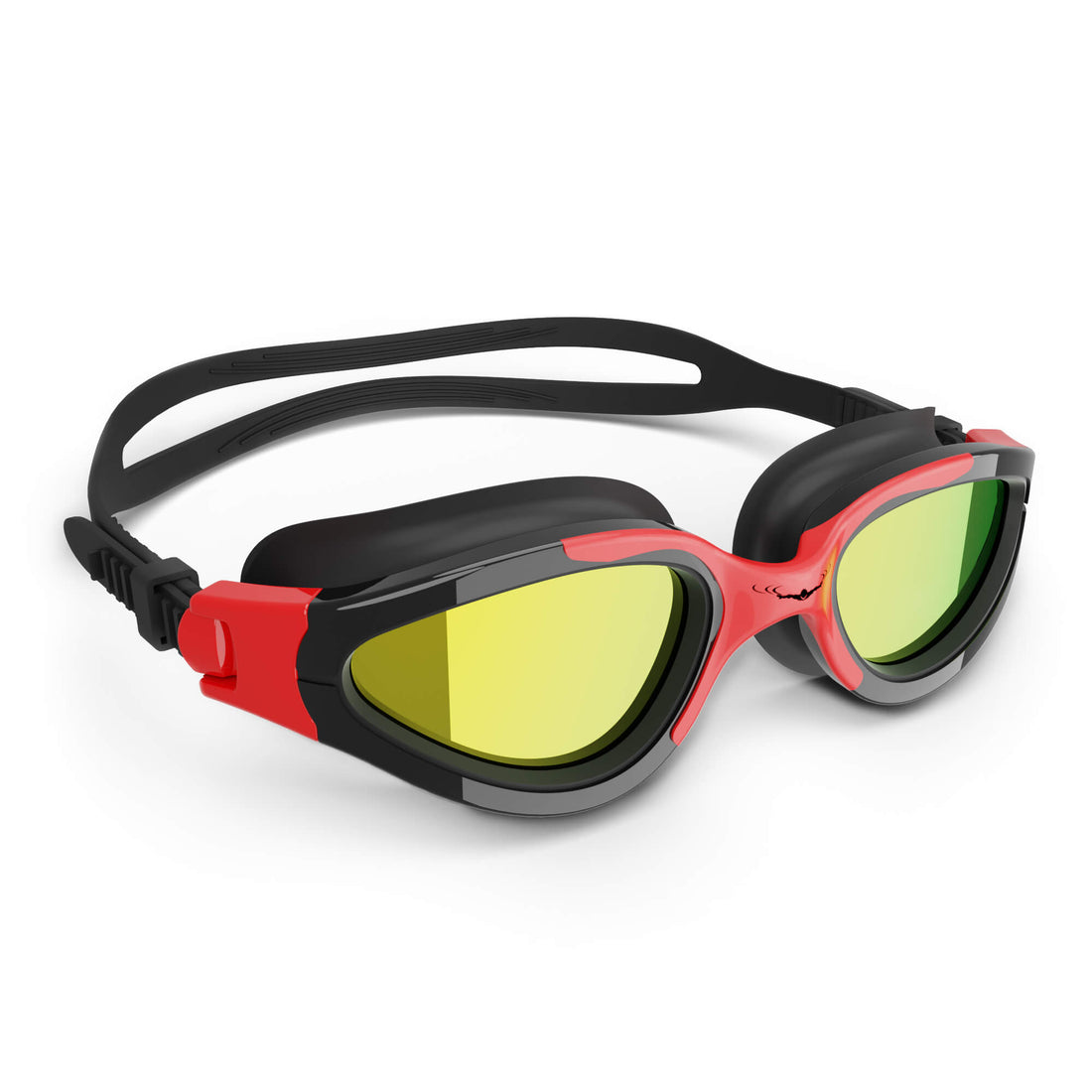
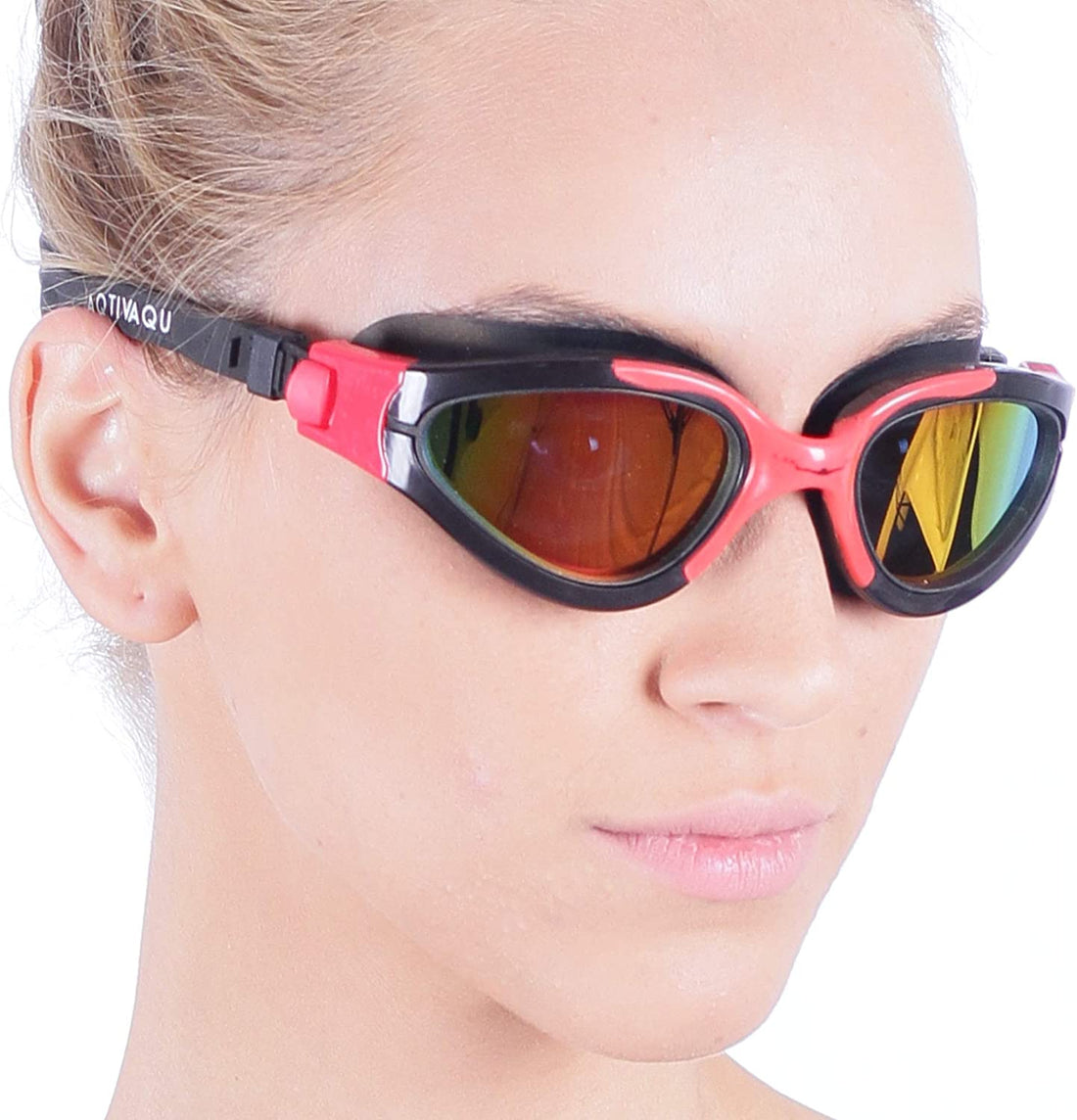
When it comes to swimming goggles, a good fit and visibility are crucial. Wide view swim goggles offer a greater field of vision, allowing swimmers to better assess their surroundings and focus on technique. Comfort is also important; goggles should provide a snug fit without creating pressure points around the eyes.
Nutrition and Recovery
Swimming performance is not solely about technique and training; nutrition and recovery play a crucial role. A well-balanced diet packed with lean proteins, healthy fats, and complex carbohydrates helps swimmers fuel their workouts and recover efficiently.
Hydration
Staying hydrated before, during, and after swimming sessions is vital. Even mild dehydration can lead to decreased performance levels. Swimmers should aim to drink plenty of fluids and may require electrolyte replacements for intense training.
Recovery Practices
Recovery methods are essential for long-term success in swimming. Incorporating techniques like stretching, foam rolling, and even massage can minimize muscle soreness and enhance flexibility. Rest days are just as important, allowing muscles to repair and grow stronger in preparation for future workouts.
Setting Goals and Tracking Progress
Setting clear, achievable goals can help keep you motivated and focused on improvement. Break your training regimen into smaller, manageable objectives. Keeping track of your progress in terms of time, technique, and endurance will provide insight that can inform your training strategy.
Utilizing Technology
The integration of technology into swimming can make tracking progress easier than ever. Wearable devices can monitor heart rates and track swimming distances while various apps can provide metrics on your training sessions. This data can help guide your training adjustments and highlight areas in need of further focus.
Celebrate Your Achievements
Whether it’s mastering a new technique or achieving a personal best, every achievement in swimming deserves recognition. Celebrate your progress, no matter how small, as these milestones can serve as great motivation to continue improving.
Understanding the science behind swimming technique and performance encompasses many aspects, including physical principles, gear, and training methodologies. By choosing the right equipment, focusing on technique, and maintaining appropriate nutrition and recovery practices, swimmers can unlock their full potential in the water. So dive in, refine your skills, and enjoy every stroke as you journey toward becoming the best swimmer you can be!
Linked Product

DX Wide View Swim Goggles + SHOCK Protective Case
The DX Wide View Swim Goggles feature clear, anti-fog lenses that provide enhanced visibility and comfort during swimming sessions, ensuring that athletes can focus on their technique. With a secure, adjustable fit and a protective case for easy storage, these goggles are designed for durability and convenience in various swimming environments. Ideal for both casual and competitive swimmers, they help maintain clear vision while minimizing distractions in the water.
View Product